

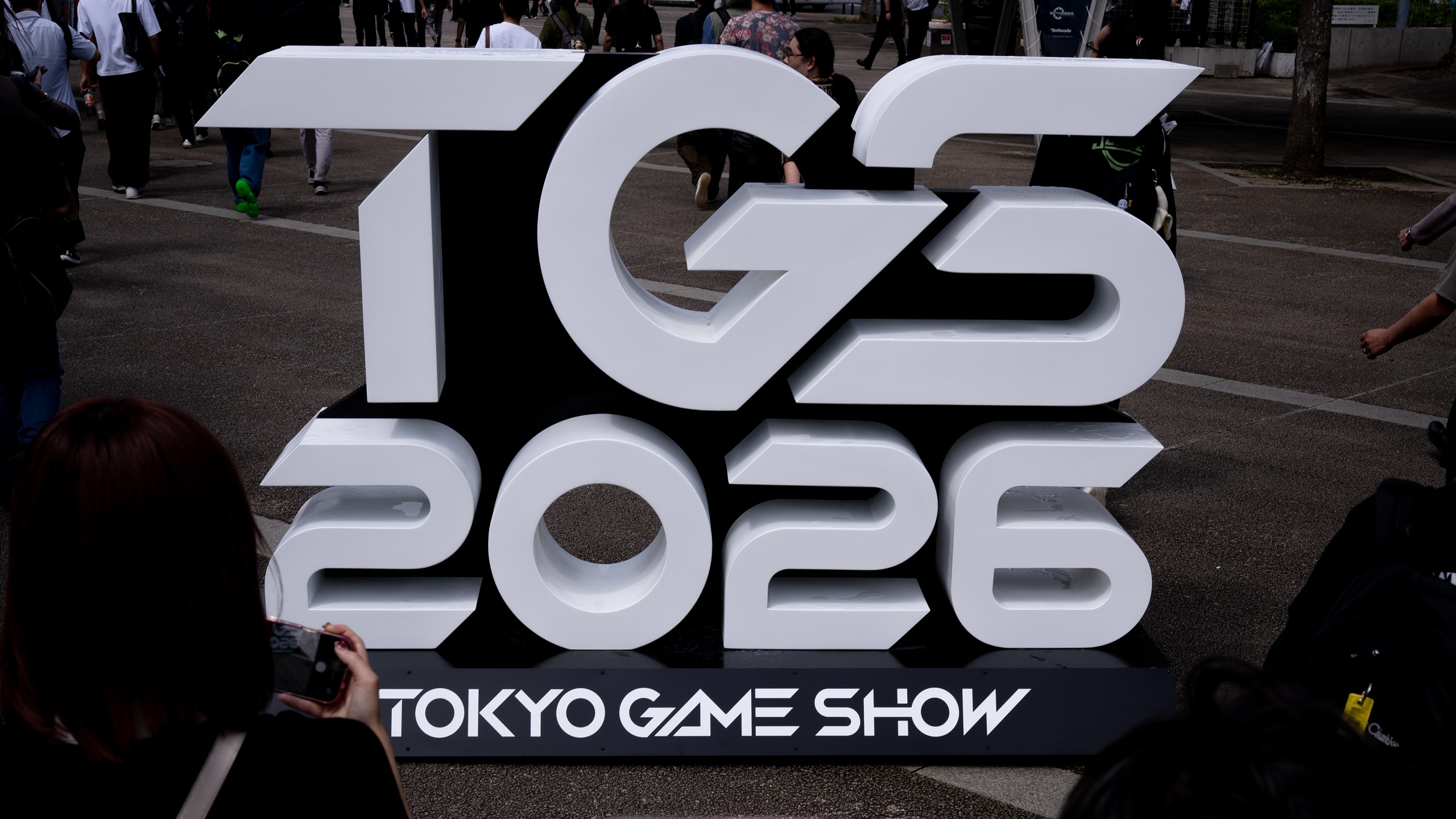
Tokyo Game Show 2026 cancelled its final day on Sunday, September 21 due to approaching Typhoon Dujuan, cutting the show's first-ever 5-day edition back to four days. Organizer CESA announced the full-day closure on September 19, citing strong winds, heavy rain and expected transport disruption in the Kanto region.
Why Tokyo Game Show 2026 cancelled its final day
The decision was announced on September 19, two days before the planned closing day. According to coverage from PC Gamer and Gamereactor, the Computer Entertainment Supplier's Association (CESA) said Typhoon Dujuan - designated Typhoon No. 25 - was forecast to bring strong winds and heavy rain to the Kanto region from the afternoon of September 21 onward. The show runs at Makuhari Messe in Chiba, just east of Tokyo, where public transport is critical for getting tens of thousands of visitors home.
CESA framed the cancellation as a safety call. The organization said transport services could be affected and it would be difficult for attendees to return home safely, so the entire day on September 21 would be cancelled, not just afternoon programming. That matters for a public day. The final day is traditionally one of the busiest for general attendees, cosplay, and stage events, and a late-day weather deterioration would have left crowds stranded.
Official announcement and safety concerns
Gamereactor reported that CESA made attendee, exhibitor and staff safety its highest priority and apologized for the late notice and significant inconvenience. The wording is familiar for large Japanese events facing typhoon season, but the timing made it sharper here. TGS 2026 was explicitly expanded to five days to mark the show's 30th anniversary, with September 17-18 set as business days and September 19-21 as public days. Losing the closing Sunday erases the milestone format in its first year.
The forecast context also matters for PC players tracking the show from abroad. September is peak typhoon season in Japan, and 2026 has already seen severe weather cause fatalities and major disruption elsewhere in the country, putting organizers of large gatherings on alert. CESA did not detail a rescheduled date for the lost day, treating September 21 as fully cancelled rather than postponed.
What happens to tickets, refunds and stage events
For ticket holders, the practical question is refunds. Separate reporting summarized by Anime News Network and Gamereactor indicates that tickets purchased for Monday, September 21 - the cancelled public day - will be refunded, and that some stage events originally planned for that day may be streamed online instead. CESA's own cancellation notice focused on the safety decision and apology, without publishing full refund logistics in the initial statement.
If you had a September 21 ticket, check the official Tokyo Game Show site and the retailer where you bought it. Japanese shows typically refund automatically to the original payment method or via the ticketing platform, but procedures and deadlines vary by seller. Keep your QR code or purchase confirmation until the refund is confirmed. For exhibitors, the impact is less clear-cut. Booth fees, staffing and travel for a five-day build are sunk costs, and a lost public day means lost hands-on demos, merchandise sales and stage time that can't be fully replaced by a stream.
September 20 was still expected to proceed as scheduled at the time of the announcement, according to the same secondary reporting. That makes Saturday the de facto closing day for this year's show, with any Sunday-only programming either cancelled or moved online where possible.
A 30-year milestone cut from five days to four
Tokyo Game Show 2026 cancelled its historic expansion, but the expansion itself tells the story. TGS debuted in 1996 as a three-day event and has grown into one of the world's largest gaming exhibitions alongside Gamescom and Summer Game Fest. The 2026 edition was billed as the first 5-day TGS in 30 years, deliberately stretched to celebrate the 30th anniversary and accommodate both business meetings and growing public demand.
The format was September 17-18 for business and press, followed by three public days from September 19-21. That structure is designed to give developers and publishers two quieter days for meetings and media, then open the halls for hands-on play. Cutting the final public day doesn't just reduce total attendance - it compresses the public window that many fans plan travel around, especially those who book for the weekend.
PC Gaming Show Tokyo Direct still delivered before the closure
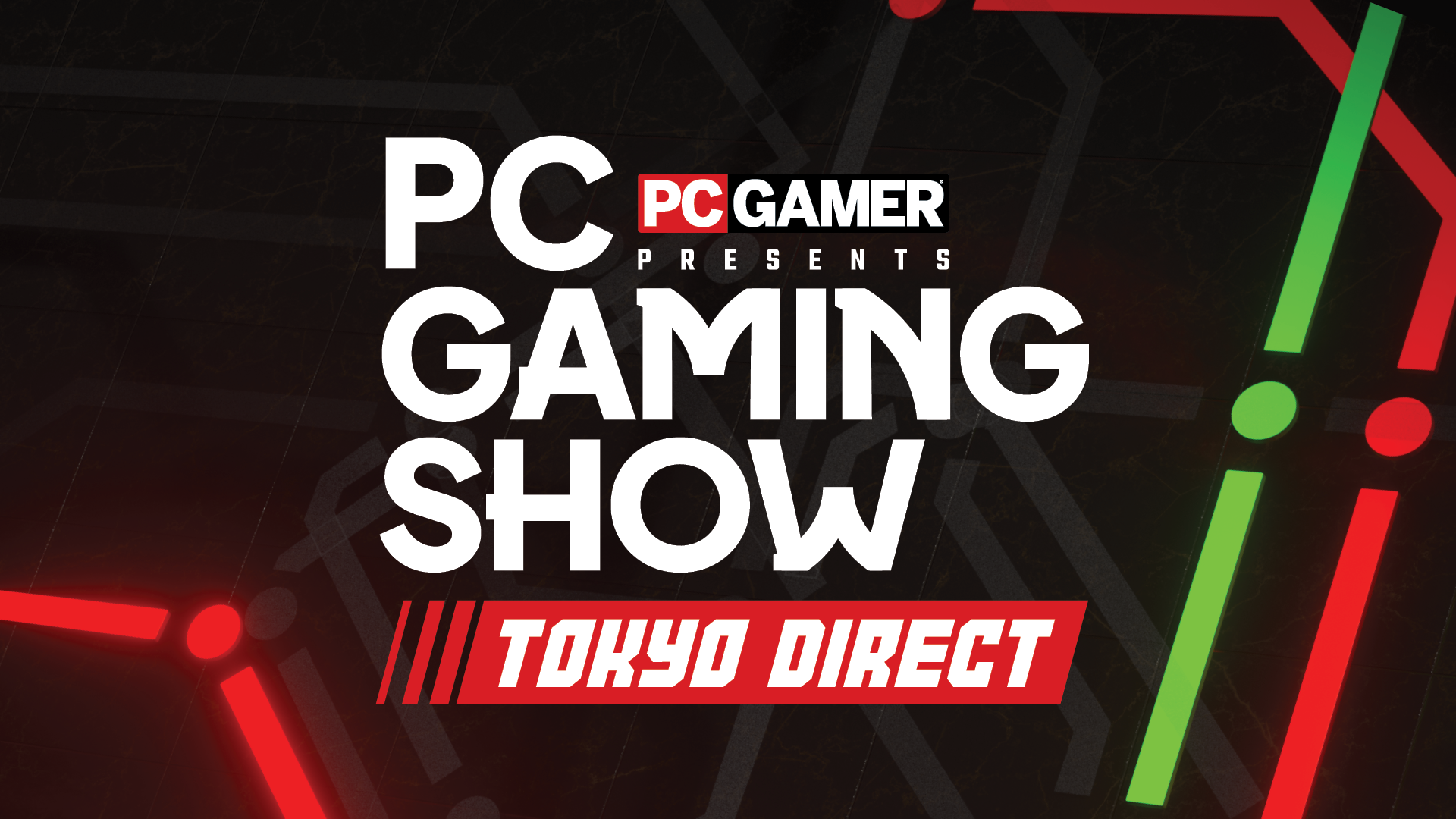
Despite the weather disruption, TGS 2026 still delivered major showcases before the final day was lost. The PC Gaming Show Tokyo Direct ran during the show, revealing 36 games and DLCs including 13 world premieres, according to PC Gamer's roundup. Highlights included titles like Really Illegal Golf, new looks at Lufia 1 & 2, and DLC for Cairn, alongside a broader slate of Japanese and international PC titles.
For PC players who couldn't attend in person, that direct and other streamed presentations remain the main way to catch announcements. With the Sunday stage events now in flux, expect publishers to shift some reveals and demos to online streams or their own channels rather than live floor demos. If you were tracking a specific game slated for a September 21 stage, check its official social accounts for a new stream time.
What this means for live events in Japan
A typhoon-driven cancellation is not unprecedented for Makuhari Messe, but it is a sobering reminder of how vulnerable even the biggest live events are to weather. Unlike a delay for technical reasons, a typhoon forecast forces an all-or-nothing safety decision days in advance, when transport operators are already warning of suspensions. For attendees, the takeaway is practical: travel insurance, flexible accommodation, and keeping an eye on official TGS and Japan Meteorological Agency updates are essential for late-September shows.
For the industry, the loss of a public day reduces hands-on feedback and retail momentum that publishers count on heading into the fall release season. It also tests the hybrid model TGS has leaned into since the pandemic - using streams to preserve announcements when the show floor can't operate. The 30th anniversary will still be remembered as a milestone, but now as a four-day celebration shaped by Typhoon Dujuan rather than the five-day party organizers planned.
Free download
Playing from the couch?
warmUP is a controller-first PC launcher for the sofa. Get warmUP now if you want your library to feel easier on a TV.
Key takeaways
- Tokyo Game Show 2026 cancelled its final day on September 21 due to Typhoon Dujuan (Typhoon No. 25), forecast to hit the Kanto region with strong winds, heavy rain and transport disruption.
- The cancellation was announced September 19 by CESA and applies to the entire day, not just afternoon events, with safety cited as the highest priority.
- TGS 2026 was set to be the first 5-day show in 30 years (Sept 17-18 business, Sept 19-21 public) at Makuhari Messe in Chiba for its 30th anniversary - now cut to four days.
- Tickets for September 21 are reported to be refunded and some stage events may move to streaming; check your ticket retailer and the official TGS site for instructions.
- The PC Gaming Show Tokyo Direct still ran during TGS, revealing 36 games/DLCs with 13 world premieres before the closure.
Written by
Devon Yates
Launcher & Platforms
Devon follows the platform wars: stores, subscriptions and the battle for your launch screen. He writes the weekly news roundup.
Comments
Loading comments…