
The Resident Evil movie first person trailer is here, and it does exactly what the games do - it switches between first- and third-person on purpose. Director Zach Cregger confirmed his 2026 film borrows Resident Evil Requiem's dual-perspective system to make the horror feel playable, hitting theaters Sept. 18.
A Fresh Trailer Brings a Familiar Perspective
Fans just got their first full look at Zach Cregger's Resident Evil movie, and the reaction has been unusually optimistic for a franchise with a rocky film history. The trailer, highlighted by PC Gamer, leans hard into survival-horror atmosphere rather than action spectacle, and the camera work is the giveaway.
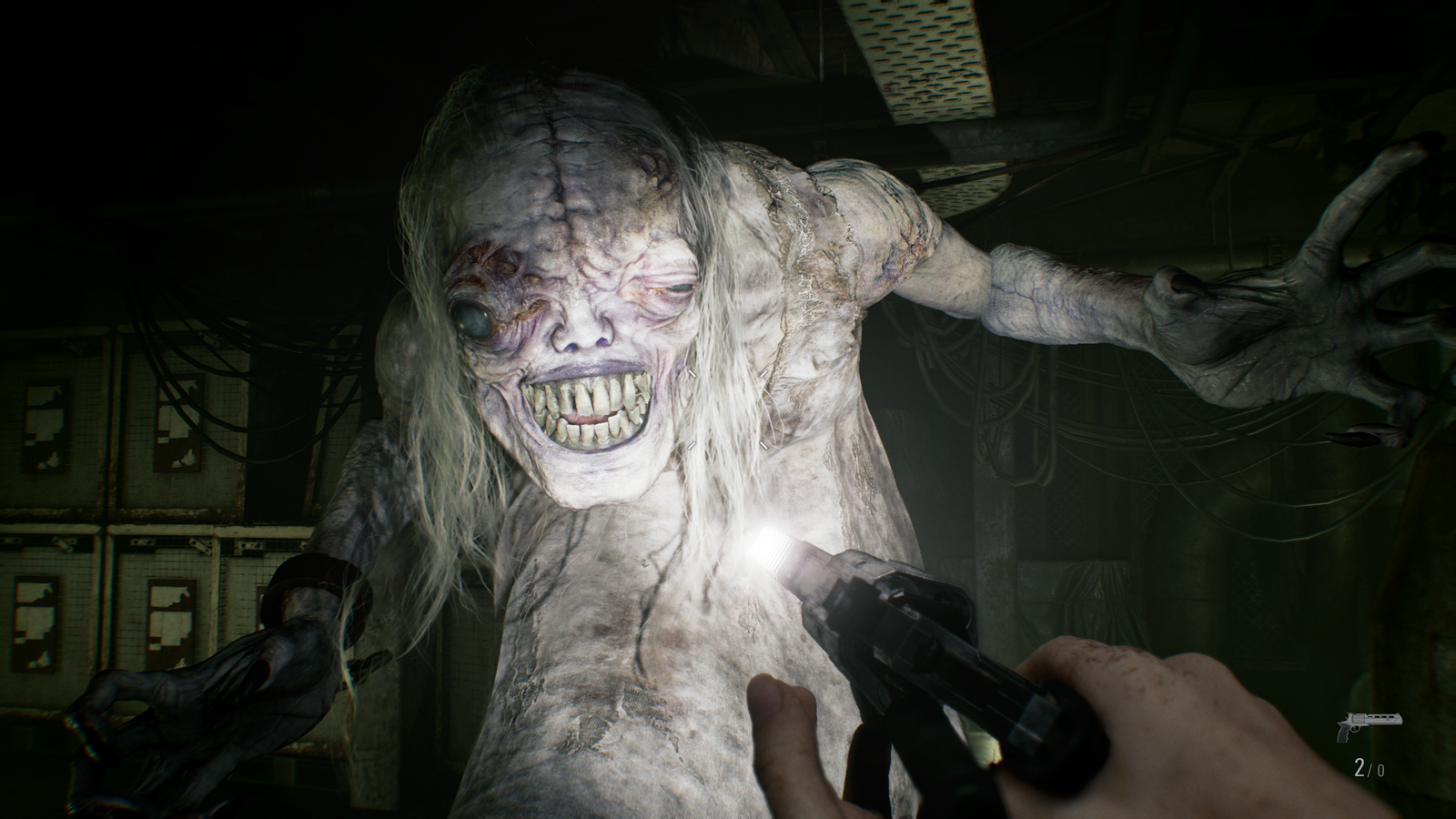
Instead of standard Hollywood coverage, large stretches play out from directly behind or inside the protagonist's eyes. You see cramped hallways, shaky flashlight sweeps, and over-the-shoulder framing that will feel instantly familiar if you've played Resident Evil 7, Village, or the recent Requiem. According to Polygon, the film is set "on the periphery" of the Raccoon City incident chronicled in Resident Evil 2, so it doesn't retell Leon's story beat-for-beat. It follows a new survivor, Bryan, played by Austin Abrams (Weapons), as he gets pulled through that same outbreak.
That peripheral setting matters for PC players. It lets Cregger keep the lore intact without remaking a game you already know shot-for-shot. 2026 has already been huge for Capcom - Resident Evil Requiem sold 5 million copies in just five days, making it the fastest-selling entry in the series yet, per Polygon - and the movie is clearly trying to ride that momentum by speaking the same visual language.
How Resident Evil Requiem Inspired the Film's Dual POV
The Resident Evil movie first person choice isn't a gimmick. It's a direct lift from Requiem's core design.
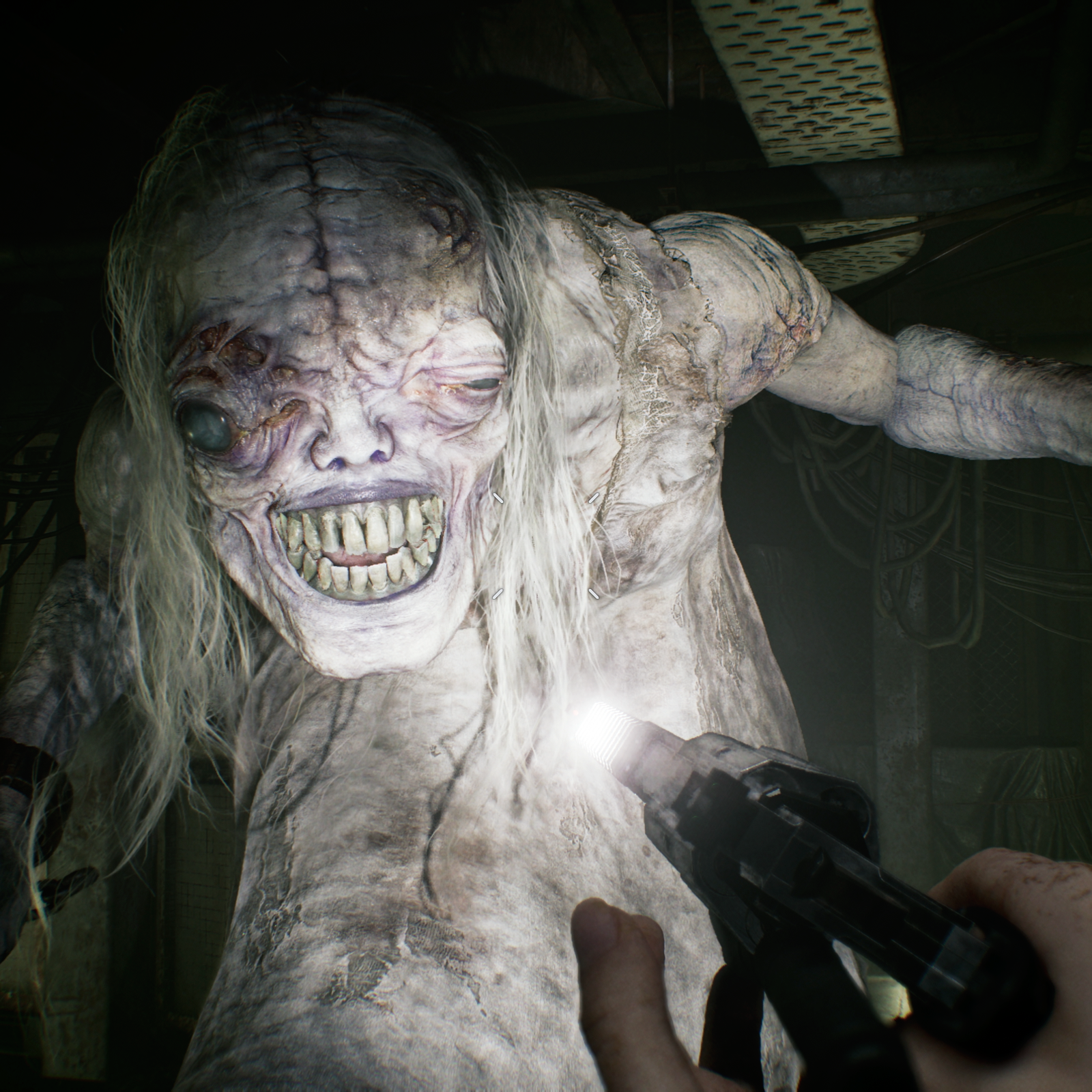
Resident Evil Requiem was the first mainline game to let players choose between first-person and third-person at launch, and it tied that choice to character. You play as two protagonists with totally different toolkits. Grace Ashcroft, the new lead, is experienced in first-person - vulnerable, low on ammo, scanning every corner for items and escape routes. Returning hero Leon S. Kennedy plays in third-person, with a wider field of view and an arsenal that reflects the fact he's survived thousands of zombie encounters.
“I'm using video game language to always kind of be behind [Bryan] and swirling around and paying attention to what he's paying attention to. Sometimes I jump to first-person, sometimes I use standard coverage if he's having a conversation with someone. But I really wanted to embrace that immersive feel that I get when I play the games.”
— Zach Cregger via Polygon, April 30, 2026
Cregger said his film will do the same. Bryan will be followed in both perspectives, shifting based on tension and context. When he's alone, exploring, or under threat, the camera drops into first-person to narrow your vision and raise anxiety - just like Grace's sections. When he's interacting with others or needs spatial awareness, it pulls back to standard third-person coverage. Polygon reports the director explicitly linked the approach to Requiem's storytelling trick, not just general game aesthetics.
Directorial Intent: Immersion Over Everything
Cregger's stated goal is simple: honor the vibe and pacing you get when you actually play the games. The Weapons and Barbarian director told Polygon he wanted to recreate that loop of quiet exploration, sudden threat, and resource panic, rather than turning Resident Evil into another military-action movie.
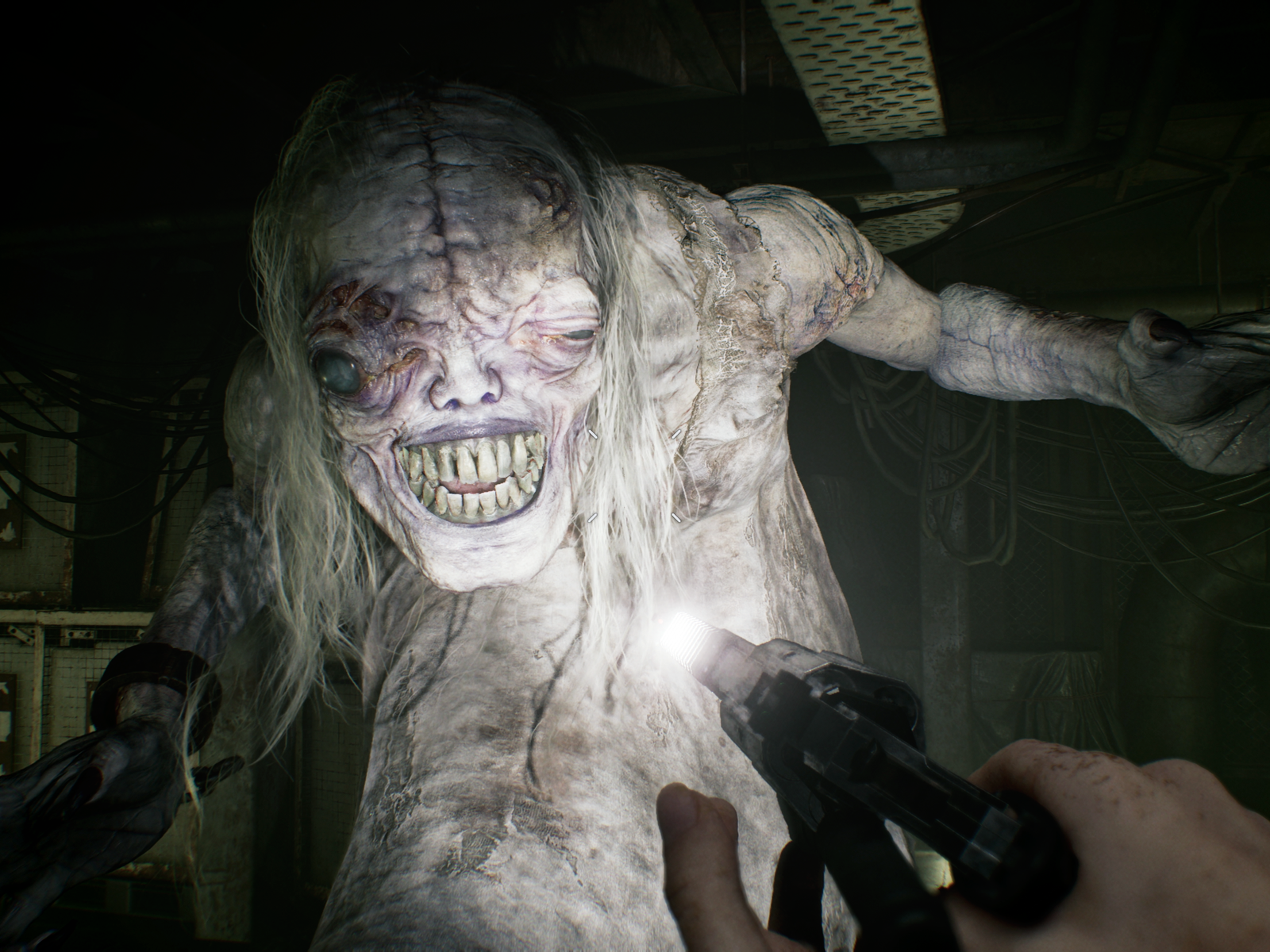
That means using what he calls "video game language" behind the camera. Expect long, handheld takes that stay glued behind Bryan, swirling to match where he's looking, lingering on doors, item pickups, and hallway corners a beat too long. First-person isn't reserved for a single set piece - it's a grammar the film uses to tell you how scared you should be. If Bryan is underpowered and overwhelmed, you see what he sees, with limited peripheral vision and no cinematic safety net.
“I think it's going to be really fun to be following somebody through this gauntlet that is not, like, SEAL Team Six-level prepared.”
— Zach Cregger via Polygon
That line is key to why the Resident Evil movie first person approach fits. Like Grace in Requiem, Bryan is not Leon. He's not a trained operative with perfect aim and a stocked inventory. Cregger described him as an everyman caught in the Raccoon City fallout, which makes the subjective camera feel earned. When you can't fight your way out, the horror comes from what you can't see - and first-person makes that literal. For PC players who lived through RE7's claustrophobic house or Village's castle in first-person, that tension translates immediately.
What This Means for the Game-to-Movie Adaptation Landscape
Game-to-movie adaptations have spent the last few years trying to solve the authenticity problem. The old approach was to borrow names and monsters but shoot like any other blockbuster. The new wave - from The Last of Us to Fallout to the recent Until Dawn film - tries to borrow feel: UI cues, sound design, and pacing that mirrors play.
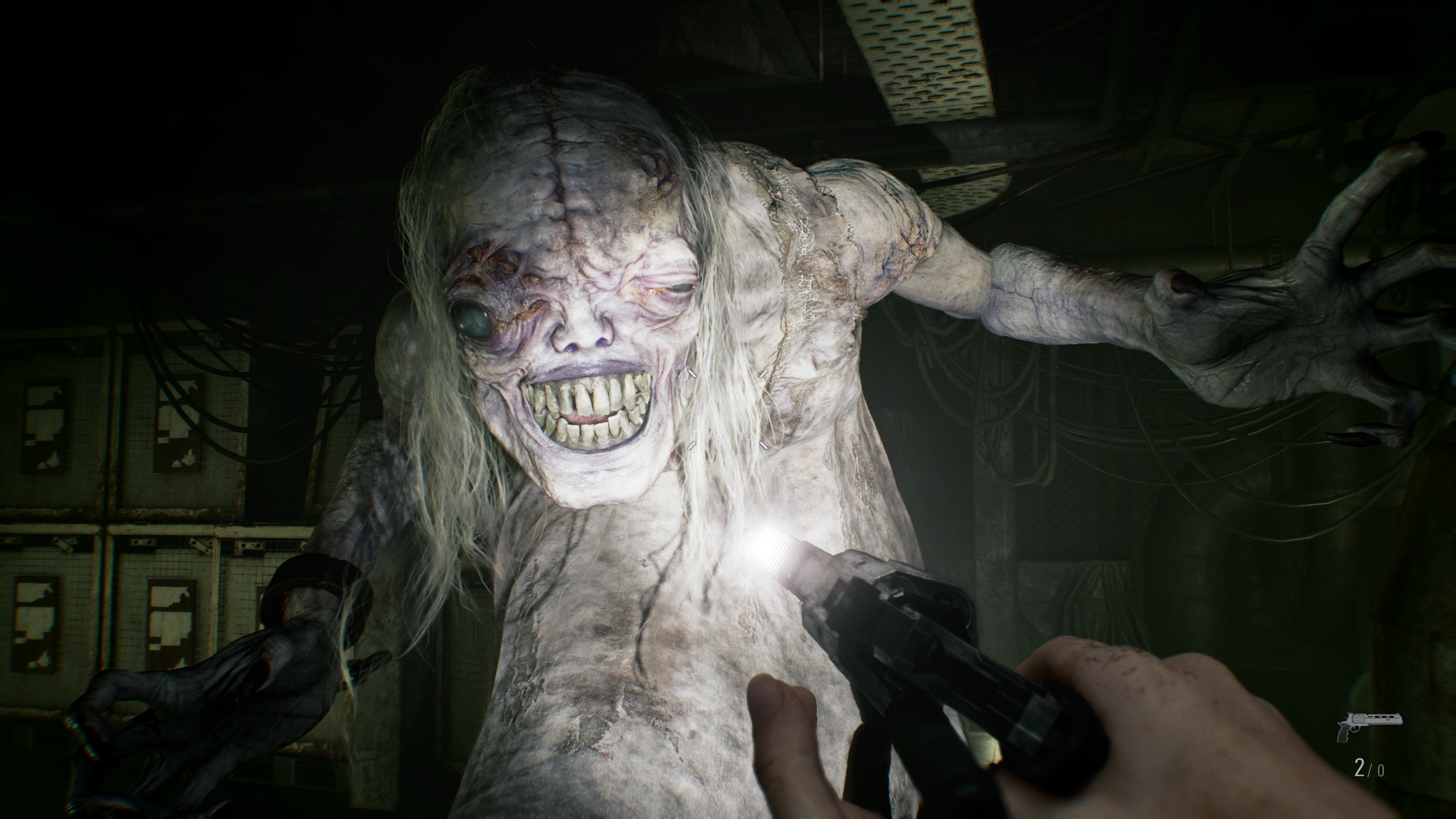
Cregger's Resident Evil pushes that further by borrowing a mechanic, not just mood. Requiem's dual POV was a gameplay solution to a narrative problem: how do you make one character feel vulnerable and another feel capable in the same story? The movie uses the exact same solution for the same reason. It's a small but telling shift for 2026. Instead of adapting story alone, directors are adapting systems - perspective, control, and player psychology - into film language.
It also sets a clearer expectation for fans. If you've played Requiem, you already understand why the camera moves the way it does. First-person means dread and scarcity. Third-person means combat readiness and spatial control. You don't need exposition to get it. That shared literacy is why the trailer has landed better than previous Resident Evil films, which Cregger has said he intentionally didn't rewatch so he could stick closer to the games themselves.
Whether the full film sustains that balance until its September 18 release remains to be seen, but the intent is clear: make a Resident Evil movie that feels like playing Resident Evil, not just watching it.
Love immersive horror on PC?
Play it like it's meant to be played
Requiem's first-person dread hits different on a big screen with a controller in hand. warmUP turns your gaming PC into a console-like, controller-first experience on your TV - unified library, zero setup. Free download.
What to know
- The full trailer for Zach Cregger's Resident Evil (in theaters Sept. 18, 2026) uses both first- and third-person POVs, mirroring the games.
- The approach is directly inspired by Resident Evil Requiem - the first mainline entry to offer a first/third-person toggle at launch, with Grace in first-person and Leon in third-person.
- The film follows new protagonist Bryan (Austin Abrams) on the periphery of the Resident Evil 2 Raccoon City incident, focusing on an unprepared survivor rather than a super-soldier.
- Director Zach Cregger says he used "video game language" - staying behind Bryan, swirling with his attention, and jumping to first-person for immersion - to recreate the games' vibe and pacing.
Written by
Devon Yates
Launcher & Platforms
Devon follows the platform wars: stores, subscriptions and the battle for your launch screen. He writes the weekly news roundup.
Comments(0)
No comments yet. Be the first to share your thoughts.