
Hate is a strong word. Gamers don't toss it around lightly-it's earned through broken promises, unplayable launches, and design choices so baffling they feel like personal insults. The most hated PC games aren't just titles that underperformed on a spreadsheet; they're the ones that lit up Reddit threads, tanked Steam reviews to 'Overwhelmingly Negative,' and became cautionary tales whispered in developer meetings for years afterward.
What Makes a Game Truly Hated?
The hate we're talking about is rooted in the product itself-broken code, predatory systems, or design choices that actively punish the player. It's not about review bombing or non-gameplay controversies. Our criteria: does the game ship nearly unplayable? Did developers break promises? Does the core loop feel like a chore? For PC specifically, we weigh botched ports, always-online DRM for single-player games, and keyboard-and-mouse afterthoughts.
Some of these games have redemption arcs-we'll note them-but the launch-day player doesn't get a refund on those lost hours just because a patch arrived two years later.
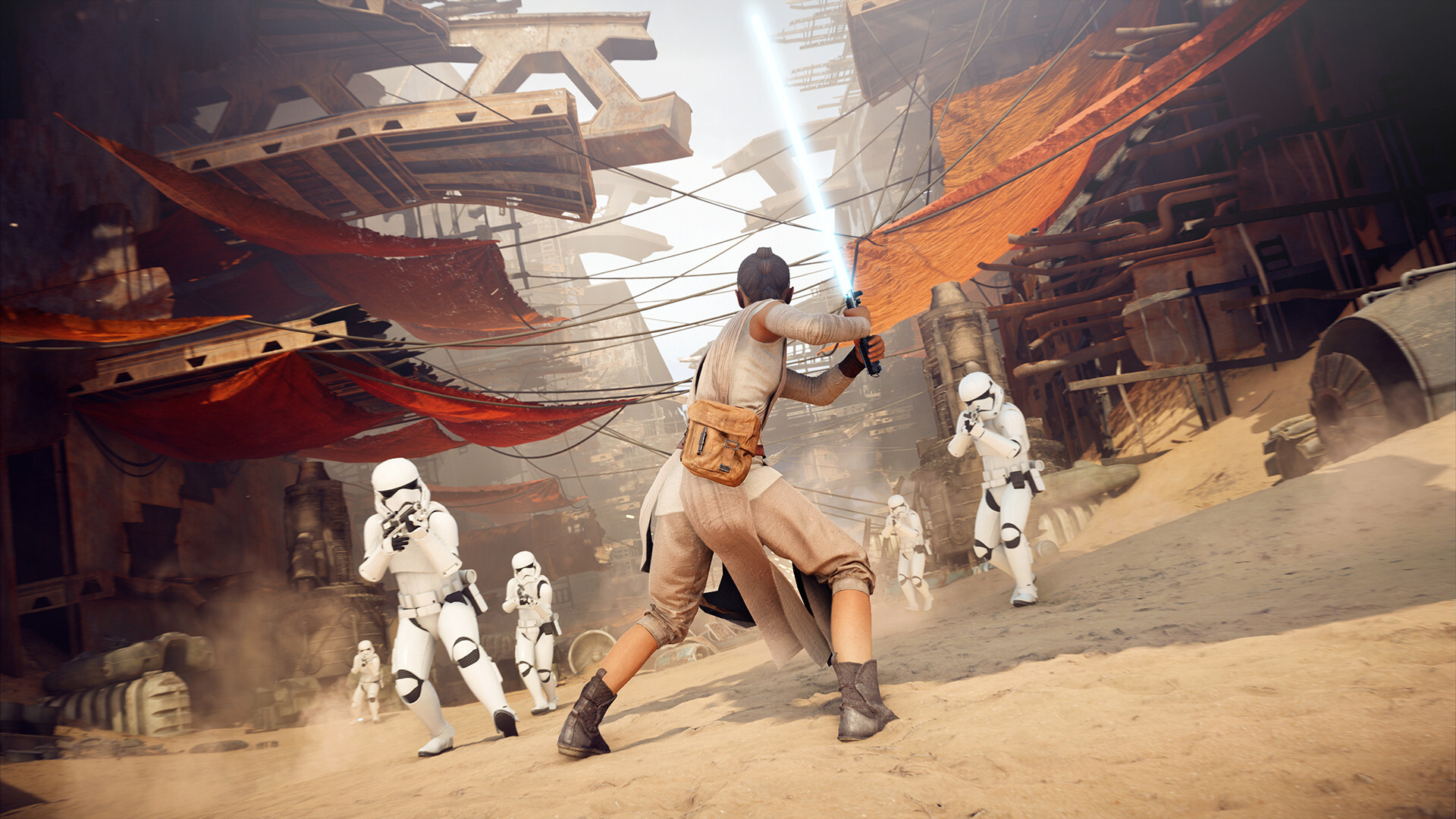
Star Wars Battlefront II (2017): The Game That Broke Reddit
If there's a single moment that crystallized the modern backlash against predatory monetization, it's EA's Star Wars Battlefront II. The game launched with a progression system so tightly wound around loot crates and microtransactions that unlocking iconic heroes like Darth Vader required an estimated 40 hours of grinding-or a credit card, in a full-priced $60 Star Wars game. When an EA community manager tried to defend it as giving players 'a sense of pride and accomplishment,' the reply became the most downvoted in Reddit history. It wasn't just PR; it was the sound of trust snapping.
EA pulled microtransactions, rebuilt progression entirely, and today Battlefront II is a solid shooter. But the launch version remains a textbook example of how to torch goodwill with a single design decision.
No Man's Sky (2016): The Universe That Wasn't
Hello Games' No Man's Sky is the redemption story everyone knows, but the 2016 launch was a case study in overpromise. Sean Murray's interviews painted a boundless universe with 18 quintillion unique planets, multiplayer, and complex ecosystems. What shipped was a hollow loop of mining, crafting, and jumping to identical systems. Multiplayer didn't exist, creatures were repetitive, and the planets blurred together. Players felt sold a concept rather than a product.
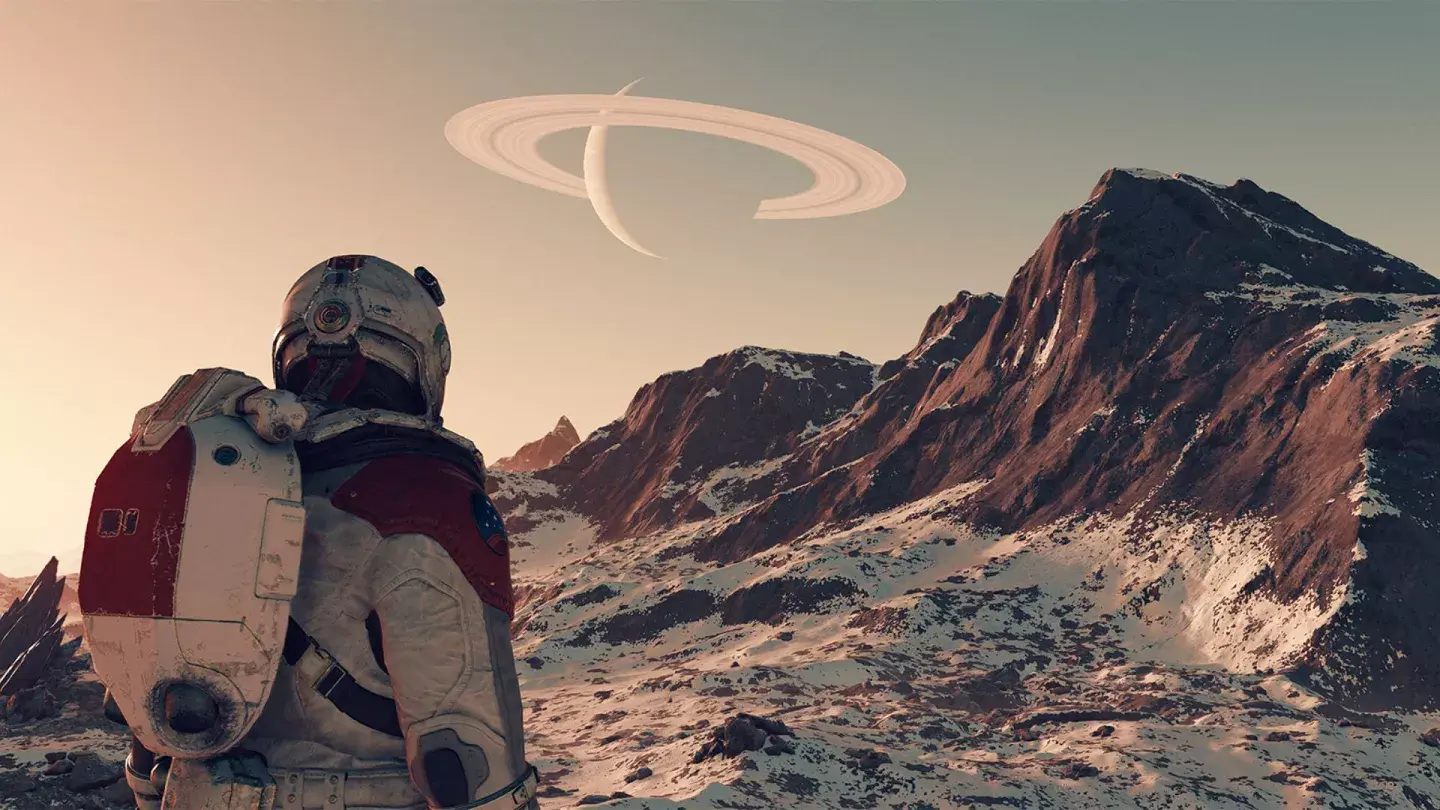
Remarkably, Hello Games didn't run. Years of free major updates added base building, full multiplayer, story, and vast overhauls. Today it's a well-regarded game, but that doesn't give the launch-day player their $60 back.
Fallout 76 (2018): The Wasteland That Wasn't Ready
Bethesda's Fallout 76 was conceptually confused: a multiplayer survival Fallout with no human NPCs, where quests came via holotapes and terminals. The world felt empty not from apocalypse but from the removal of human stories. Servers buckled, bugs were rampant, and the $200 Power Armor Edition's promised canvas bag turned out to be cheap nylon-a scandal that poured gasoline on the fire.
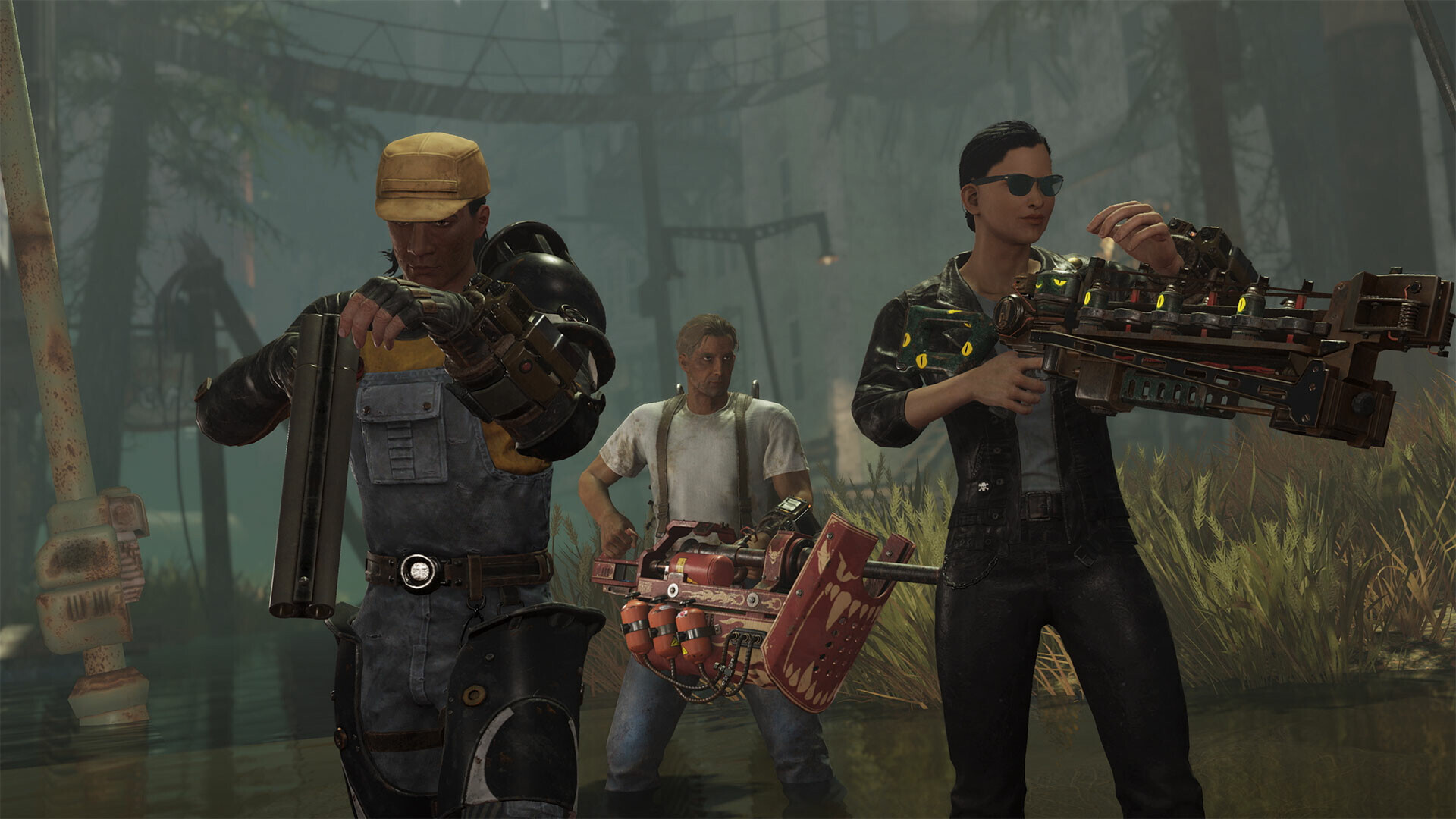
Updates like Wastelanders eventually added NPCs, but the launch cemented its place among the most hated PC games. It wasn't just broken; it betrayed what the series stood for, down to a collector's edition that couldn't deliver its physical promises.
SimCity (2013): Always Online, Always Broken
Maxis' 2013 SimCity was, underneath the disaster, a beautiful city builder with a brilliant GlassBox engine. Then EA strapped always-online DRM onto a single-player experience, and the servers collapsed. For weeks, paying players couldn't log in. When they finally did, city sizes were laughably small-more neighborhood than metropolis.
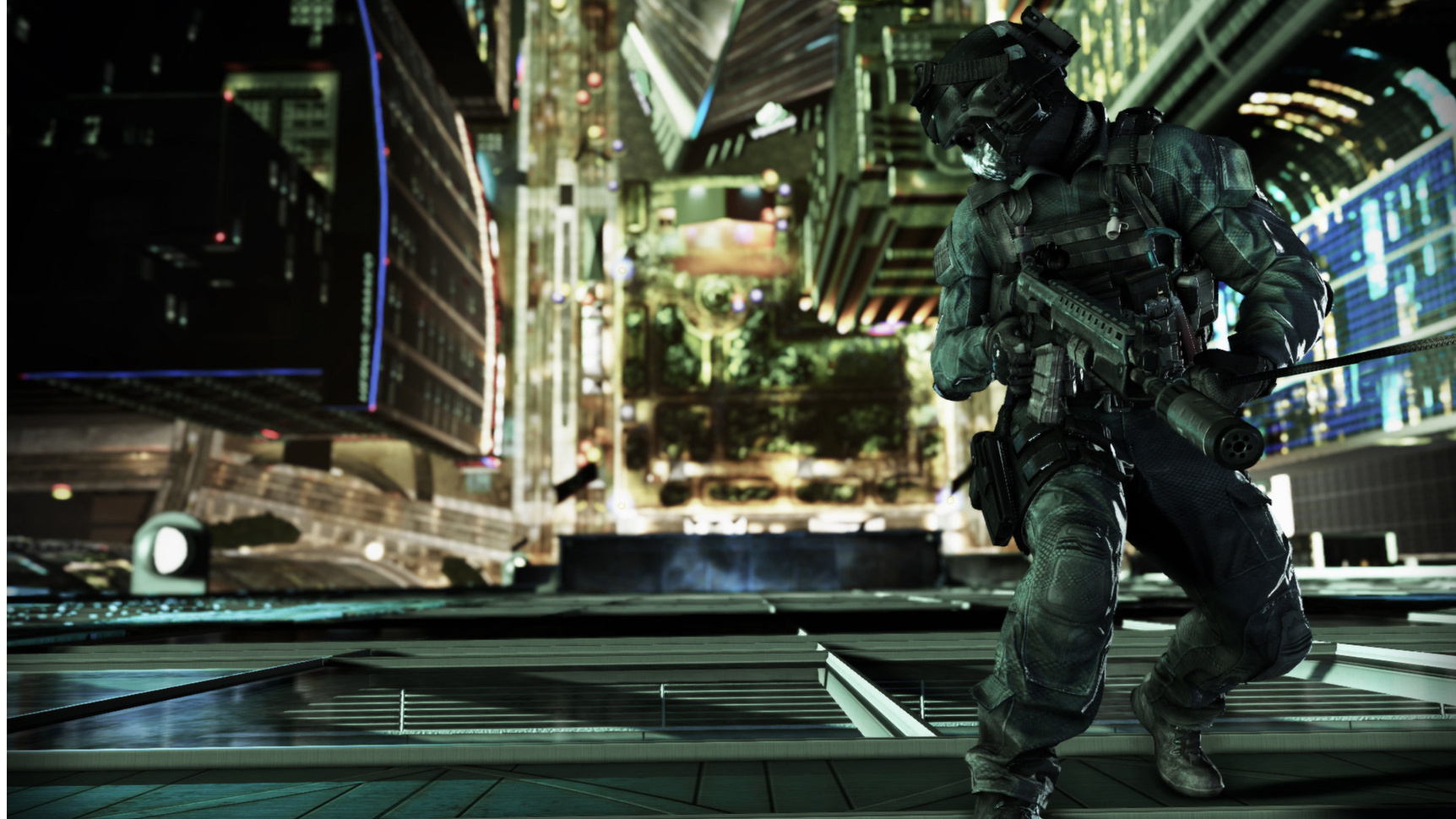
The backlash killed the franchise as a major PC release and shuttered Maxis. SimCity became a rallying cry against always-online DRM, a moment when a publisher's fear of piracy outweighed its obligation to paying customers.
Aliens: Colonial Marines (2013): The Demo That Lied
Gearbox's Aliens: Colonial Marines was sold on a lie. Pre-release demos showed tense, atmospheric shooting with intelligent AI. The shipped game had downgraded visuals, AI that ran into walls, and a campaign that felt assembled from spare parts. Investigations revealed Gearbox had outsourced much of the work to other studios while focusing on Borderlands 2.
A class-action lawsuit for false advertising followed. The damage to Gearbox's reputation lingered, and the game stands as a warning that pre-release marketing can be completely disconnected from the product you actually receive.
Cyberpunk 2077 (2020): Night City's Rough Landing
CD Projekt Red's Cyberpunk 2077 is a complicated entry: today, after Update 2.0 and Phantom Liberty, it's excellent. But the launch was a technical disaster-crashes, game-breaking bugs, T-posing NPCs, and performance so bad that Sony pulled it from the PlayStation Store. PC players fared slightly better, but the promised living city and deep AI routines were nowhere, and the gap from the 2018 E3 demo was a canyon.
CDPR spent years patching and overhauling, eventually delivering. But the launch burned the near-limitless goodwill from The Witcher 3. The redemption is real, but so is the memory of paying $60 for a game that barely ran.
Duke Nukem Forever (2011): Fifteen Years for This?
Duke Nukem Forever spent 15 years in development hell. When it finally emerged, the shooting was clunky, the two-weapon limit was a decade out of date, and the humor curdled into something juvenile. The level design felt like a museum exhibit that forgot to update. It didn't just fail to live up to the hype-it made you question why anyone ever hyped it in the first place.
Anthem (2019): The Iron Man Simulator That Forgot the Game
BioWare's Anthem had a magnificent core: the Javelin flight mechanics were pure Iron Man fantasy. But the endgame was a hollow grind of repetitive missions and constant loading screens, and loot tuning was so poor that players spent more time in menus than in the air. The studio that defined narrative RPGs had produced a looter-shooter with almost no story-a corporate mandate that felt completely disconnected from its identity.
EA and BioWare announced a major overhaul, then cancelled it. Anthem sits in limbo, a monument to chasing a trend instead of your own strengths.
Big Rigs: Over the Road Racing (2003): The Bottom of the Barrel
No list of the most hated PC games is complete without Big Rigs: Over the Road Racing. There's no collision detection-your truck drives through buildings, bridges, reality. The AI opponent doesn't move. Winning is a formality, and the victory screen famously declares 'YOU'RE WINNER.' Its Metacritic score of 6/100 is one of the lowest ever. It's a piece of software that should never have been sold, a meme that somehow still exists.
Final Fantasy XIV (2010): The MMO That Had to Die
The original Final Fantasy XIV was so broken that Square Enix didn't patch it-they killed it. The 2010 PC release had a clunky interface, unfinished content, and ran poorly. The response was unprecedented: Naoki Yoshida took over, shut down the original servers, and completely rebuilt the game from scratch. The result, A Realm Reborn, became one of the most successful MMOs ever. Sometimes the only fix is to burn it down and start over.
Why We Keep Falling for the Hype
Look at this list and you'll see a pattern. Pre-rendered demos, broken promises, monetization that treats players like wallets. The most hated PC games aren't just technical failures; they're trust failures-moments when the gap between what a publisher says and what we get becomes a chasm.
And yet, we keep pre-ordering. The marketing machine is powerful, and our desire for the next great experience is strong. These games are cautionary tales, but also a mirror. They show us what happens when hype outruns reality, and ask us-sometimes politely, sometimes not-to learn the lesson.
The Most Hated PC Games: Key Takeaways
- Star Wars Battlefront II's microtransaction backlash became the most downvoted Reddit comment in history and forced EA to rebuild progression entirely.
- No Man's Sky launched without multiplayer or meaningful variety but redeemed itself through years of free, massive updates.
- Fallout 76 shipped without human NPCs and with a collector's edition canvas bag scandal, betraying the series' core identity.
- SimCity's always-online DRM locked paying players out for weeks and effectively killed the franchise.
- Cyberpunk 2077 and Final Fantasy XIV prove that even the most hated games can earn redemption-but the launch-day player never gets those hours back.
Tired of broken launches?
Play from the couch, skip the setup
The most hated PC games share one thing: they made launch day a chore. warmUP is built for players who just want to boot up and play, controller in hand, no config files required. Join the waitlist for a couch-first launcher that unifies your library across every store.
Written by
Devon Yates
Launcher & Platforms
Devon follows the platform wars: stores, subscriptions and the battle for your launch screen. He writes the weekly news roundup.
Comments(0)
No comments yet. Be the first to share your thoughts.