

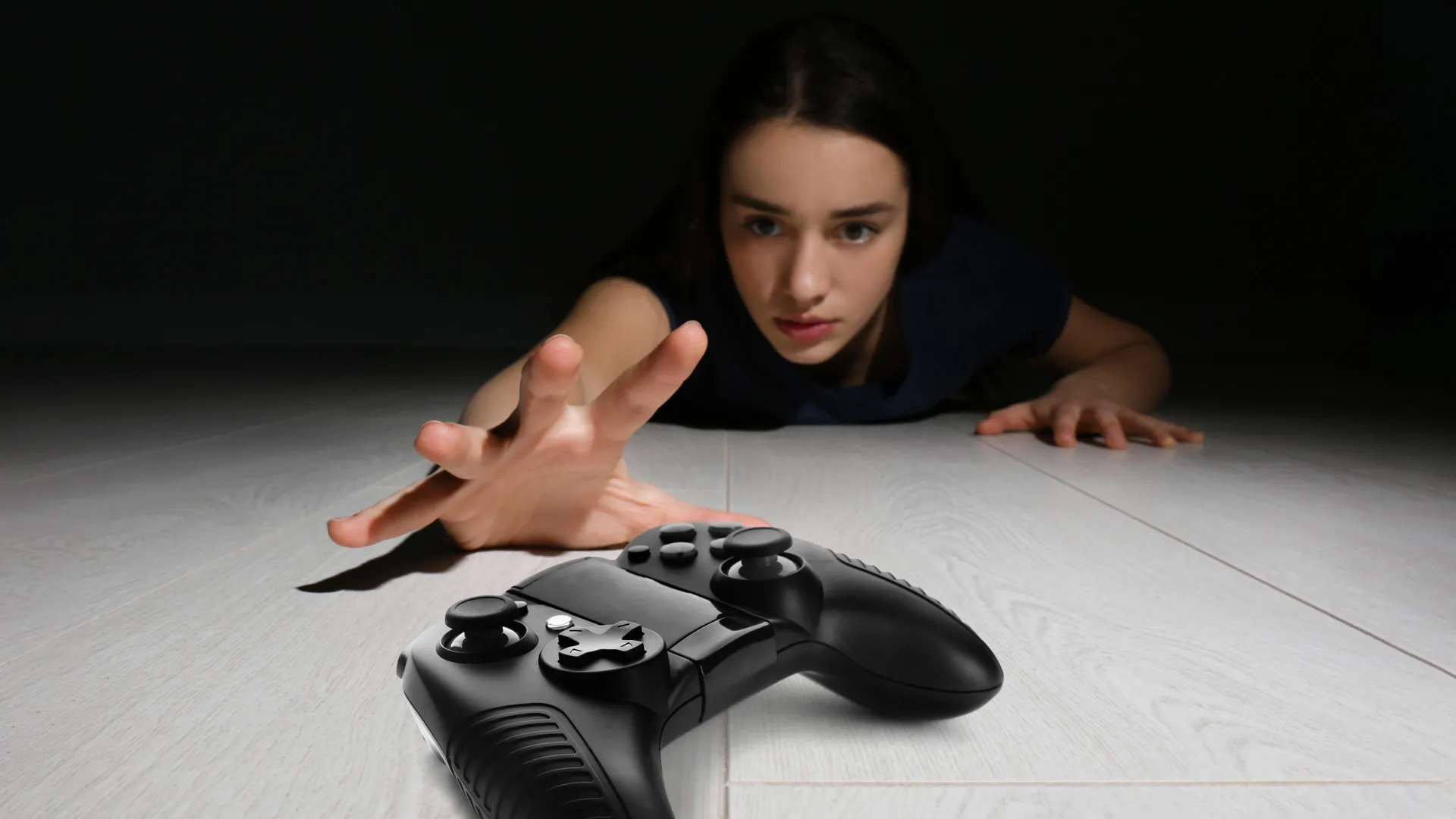
Most PC gamers have asked themselves: "Am I playing too much?" It's a fair question when your friends list is still online at 3 AM and your snack stash is running low. Scientists have been digging into this, too, and a fresh 2026 study from Curtin University in Australia has pinpointed a physical health tipping point after just 10 hours of gaming per week. But the story isn't just about sore thumbs and bad diets-psychologists measure gaming addiction on a different scale entirely. Here's what the research says about when gaming turns from a hobby into a hazard, and how to keep your sessions on the healthy side.
The Gaming Time Tipping Point for Physical Health: What Happens After 10 Hours a Week
The Curtin University study, published in January 2026, surveyed 317 university students (median age 20) and split them into three groups: low gamers (0-5 hours/week), moderate (5-10 hours), and high (>10 hours). The researchers measured diet quality, BMI, and sleep-and the results showed a sharp line. While low and moderate gamers had similar health profiles, the high gamers were notably worse off. Their median BMI sat at 26.3 kg/m2, compared to 22.2 for low and 22.8 for moderate. And every extra hour of gaming beyond 10 hours was tied to a measurable drop in diet quality, even after accounting for stress and exercise.
This doesn't mean 10 hours is a magic number for everyone, but it's the first large study to draw a clear line for physical health. Sleep was another red flag: all groups reported poor sleep, but moderate and high gamers slept significantly worse than low gamers. Blue light exposure and mental arousal from late-night raids can mess with your circadian rhythm. So, if you're regularly logging 10+ hours a week and noticing you're reaching for energy drinks more than water, or your sleep tracker looks grim, your body might be asking for a change.
When Gaming Habits Cross into Disorder Territory
The 10-hour mark is about bodily wear and tear, but psychological distress follows a different curve. The World Health Organization's ICD-11 and the American Psychiatric Association's DSM-5 define Gaming Disorder using strict criteria: loss of control over gaming, prioritizing it over other interests, and continuing despite negative consequences. However, those criteria don't come with a stopwatch. A major 2024 study by Katz et al., analyzing over 14,000 engaged gamers, found that people at risk of gaming disorder averaged around 42 hours per week, while a large chunk (41.9%) of players with no psychological distress averaged 26 hours. So you can play a lot and be totally fine-if gaming isn't hurting the rest of your life.
“The view of gaming time as a factor determining the level of GD is still prevalent, especially among the general population”
— Katz et al., 2024, PMC
That quote cuts to the chase: time alone is a poor yardstick. What matters is whether gaming is causing problems with work, relationships, or mental health. If you've missed deadlines because you couldn't pull yourself away from a boss fight, or you're skipping meals to grind, those are red flags that have less to do with the clock and more with the grip the game has on you.
5 Signs It's Time to Put Down the Controller
Instead of counting hours, watch for these patterns that therapists use to spot problem gaming:
1. You can't stop even when you want to: You promise yourself one more match, and suddenly it's dawn. 2. Everything else feels boring: Hobbies you used to love now feel like a chore compared to in-game progression. 3. You're hiding how much you play: You lie to friends or family about your playtime because you know it's excessive. 4. Gaming is your only escape: You dive into games to avoid stress or negative emotions, and coming out feels worse. 5. Your body is complaining: Headaches, back pain, skipped meals, or messed-up sleep cycles have become your norm.
If two or more of these sound familiar, it might be time to reassess. And that doesn't mean selling your GPU. Small, intentional shifts can bring balance back without giving up the hobby you love.
How to Hit Reset: Practical Fixes for Healthier Gaming
Good news: you can game and still take care of yourself. The Curtin study's authors suggested simple tweaks like taking regular breaks, avoiding late-night sessions, and choosing apples over chips during a raid. Meanwhile, the 2024 PMC paper advocates for in-game prompts and education over hard time limits, especially for younger players. Here's a battle plan:
1. Set a hard stop time: Decide when your session ends before you start. Use an alarm or a launcher that boots you in without the temptation of endless store browsing. 2. Break every 30-45 minutes: Stand up, stretch, look away from the screen. Your eyes and spine will thank you. 3. Hydrate and snack smart: Water and a fruit bowl within reach beat a six-pack of energy drinks. Your BMI will notice. 4. No screens an hour before bed: If you must play late, use blue-light filters and wind down with something calm instead of a competitive shooter. 5. Check your feelings: Ask yourself after a session: Am I playing because I want to, or because I'm avoiding something? That self-check is the earliest alarm.
And one often-overlooked factor-your physical setup. Slouching in an office chair for hours is a recipe for pain, but a comfortable couch with good posture and a controller could actually encourage more mindful, relaxed sessions. The key is intentionality: if you treat gaming as a deliberate leisure activity rather than background noise, you're more likely to notice when it's overstaying its welcome. A controller-first launcher like warmUP boots you straight into your unified library, helping you skip the desktop clutter and start playing more purposefully.
The Couch Comfort Factor: Could Your Setup Help?
No, a sofa doesn't magically prevent gaming disorder. But ergonomic research in e-sports has shown that well-designed gaming environments reduce physical strain and cognitive fatigue. When you're comfortable and your setup just works-no fiddling with keyboard shortcuts or launcher updates-you're more likely to end a session feeling refreshed rather than drained. That's where a tool like warmUP comes in. A controller-first PC game launcher that boots you straight into your library unifies your entire collection across stores. It's not about playing less; it's about making the hours you do play more intentional and enjoyable.
Couch gaming, simplified
Make every session count
warmUP is built for controller-first, zero-setup gaming on the big screen. Join the waitlist for early access and leave the fiddling behind.
Key Takeaways
- A 2026 study sets a physical health tipping point at 10 hours of gaming per week, linked to worse diet, higher BMI, and poor sleep.
- Gaming disorder criteria from WHO and APA focus on loss of control and negative consequences, not a fixed number of hours.
- Many players without distress clock 26+ hours per week, so time alone isn't the enemy-it's when gaming starts to damage other parts of your life.
- Practical fixes like scheduled breaks, better snacks, and screen-free wind-downs can keep your hobby healthy.
- An intentional, comfortable setup (couch, controller, zero-fuss launcher) can help you treat gaming as genuine leisure rather than a compulsion.
Written by
Mika Lindqvist
Hardware & Performance
Mika benchmarks everything that runs a game — from handhelds to living-room rigs. If a frame drops, he wants to know why.
Comments(0)
No comments yet. Be the first to share your thoughts.