

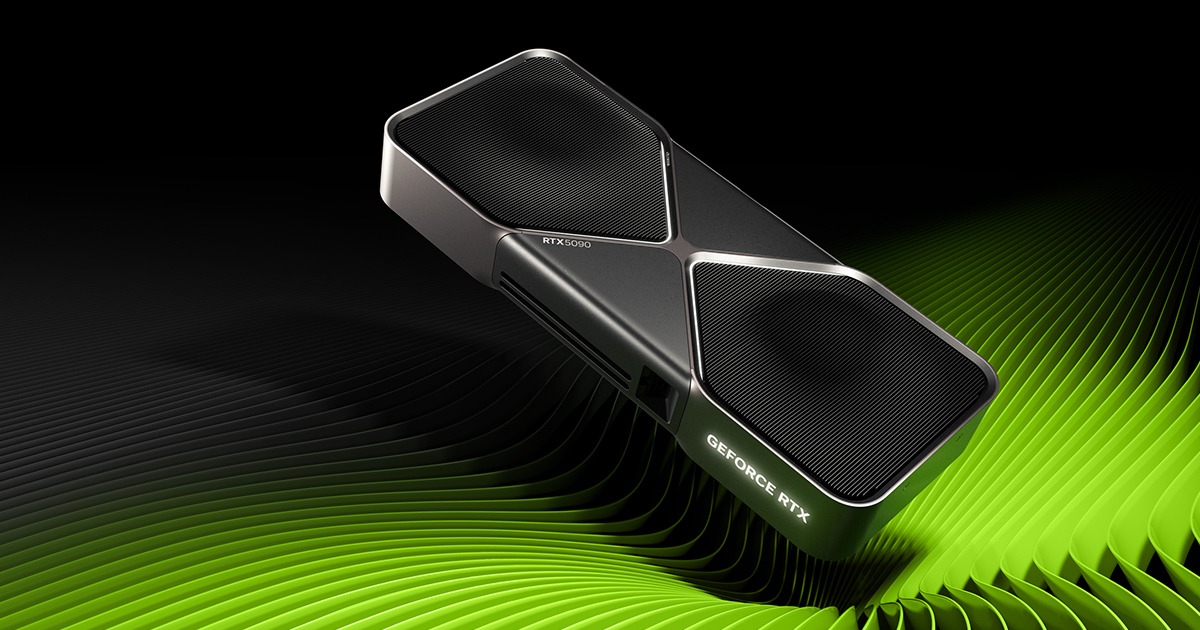
If you're building or upgrading a gaming PC in mid-2026, the GPU market hasn't been this exciting – or this confusing – in years. Both NVIDIA's RTX 50-series and AMD's RX 9000 lineup are now widely available, bringing new architectures, next-gen upscaling, and a fresh price war to the table. But with multiple SKUs, shifting street prices, and very different strengths, picking the right card isn't straightforward. This guide cuts through the noise. We'll break down real-world performance at 1440p and 4K, compare actual street pricing, and help you find the best GPU mid 2026 for your gaming PC.
The GPU Landscape in Mid-2026
After a rocky launch cycle with limited stock, both families have settled into stable availability. NVIDIA's lineup spans the monstrous RTX 5090 down to the RTX 5060, while AMD fields the RX 9070 XT, RX 9070, and the surprisingly compelling RX 9060 XT. Prices have largely normalized, though street figures still dance around MSRP depending on AIB models and regional supply. The big picture hasn't changed: NVIDIA still leads in ray tracing and AI-driven upscaling, while AMD counters with higher raw raster performance and more generous VRAM at mainstream price points. Understanding those trade-offs is the key to making a smart purchase.
Best GPU Mid 2026: RTX 50-Series vs AMD RX 9000 at a Glance
RTX 50-Series vs AMD RX 9000: Core Features
| NVIDIA RTX 50-SeriesSuperior ray tracing, DLSS 4, better power efficiency | AMD RX 9000 SeriesExcellent raster value, generous VRAM, lower MSRPs | |
|---|---|---|
| Raw Rasterization | Good | Excellent |
| Ray Tracing | Excellent | Good |
| Upscaling Quality | Industry-leading DLSS 4 | Improved FSR 4, slightly behind |
| VRAM at Mainstream | 12 GB on RTX 5070 | 16 GB common |
| Typical Power Draw (1440p) | RTX 5070: 250W | RX 9070 XT: 304W |
| Value (Raster per Dollar) | Higher cost per frame | Better bang for buck |
That table oversimplifies-and the real story lives in the specific models. Below, we'll dive into the cards that matter most in summer 2026, with a sharp eye on what you'll actually see in your shopping cart.
1440p & 4K Benchmarks: Where the Rubber Meets the Road
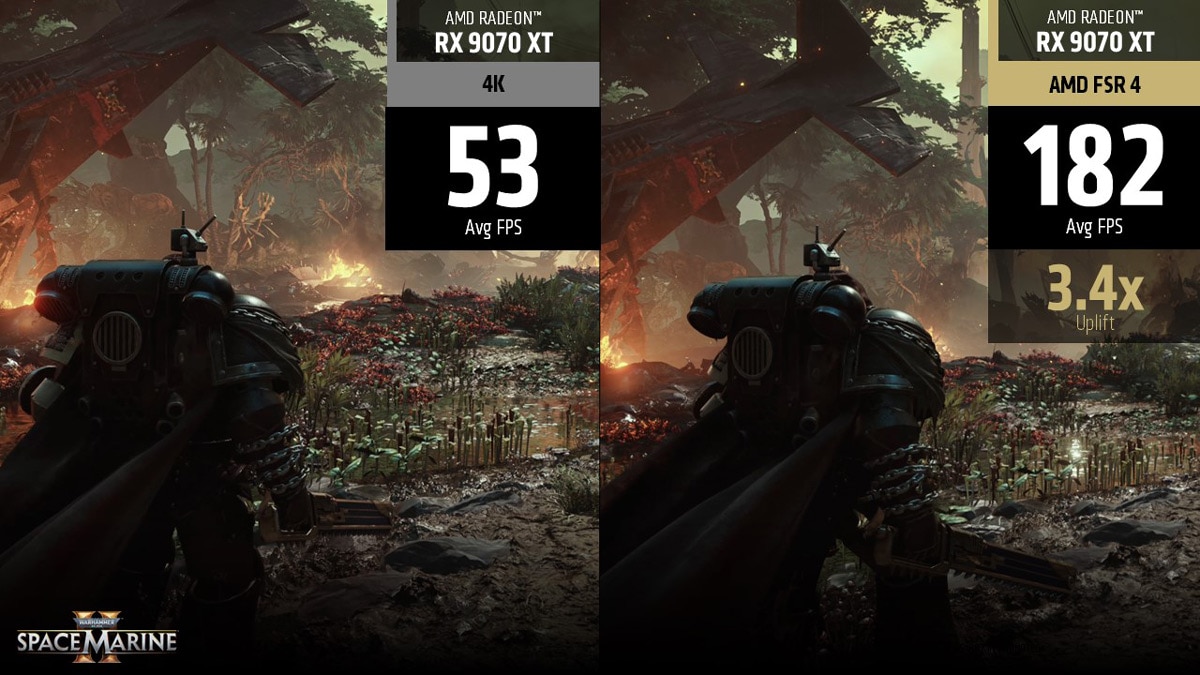
When you boot up Cyberpunk 2077 or Horizon Forbidden West at 1440p, the RX 9070 XT often churns out higher average frame rates without ray tracing enabled. Its 16 GB of VRAM and large shader array give it a brute-force advantage in classic rasterization. Meanwhile, the RTX 5070 (12 GB, 250W TBP) fights back the moment you flip on ray tracing or push to 4K with DLSS 4. NVIDIA's Multi-Frame Generation often delivers a smoothness lead of 10–20% in RT-heavy scenes, even when base frame rates are lower. For many gamers, the choice boils down to whether you want more raw frames today or a more future‑proof ray‑tracing foundation tomorrow.
Take Cyberpunk 2077's built-in RT Overdrive benchmark: the RTX 5070 Ti nets around 74 fps at 4K with DLSS Balanced and Frame Gen, while the RX 9070 XT must rely on FSR 4 to reach 56 fps under the same conditions. In raster-heavy titles like Call of Duty: Warzone, the Radeon card often leads by 10–15% at 1440p Ultra. At the high end, the RTX 5090 is in a league of its own for 4K ultra gaming and creative workloads-PC Gamer names it the best high‑end pick. But unless money truly is no object, the mid‑range is where the real value war lives.
The Value King: RX 9060 XT vs RTX 5060 Ti Under $450
If your budget is tight, the AMD RX 9060 XT 16GB ($349–$419 street) is the card to beat. According to PerfCore, this GPU consistently outruns the RTX 5060 Ti in rasterized games while also packing a full 16 GB of VRAM-versus 8 or 12 GB on NVIDIA's competitor. That extra memory is already paying off in titles like The Last of Us Part I and Hogwarts Legacy, which chew through VRAM at high texture settings. PC Gamer's 2026 recommendation puts the RX 9060 XT 16GB as the best value graphics card, and for pure frames‑per‑dollar without ray tracing, it's unbeatable.
Ray Tracing & Upscaling: NVIDIA Still Holds the Crown
DLSS 4 remains the gold standard for upscaling. Its image reconstruction preserves fine details noticeably better than FSR 4, and Multi-Frame Generation can dramatically boost perceived smoothness in heavy path‑traced games like Alan Wake 2 or Black Myth: Wukong. FSR 4 is a massive leap over FSR 3 and works well on AMD hardware, but in back‑to‑back comparisons, most reviewers still give NVIDIA the edge in both clarity and frame generation fluidity. If you play the latest cinematic AAA titles with ray tracing cranked, an RTX 5070 Ti or higher will give you a tangible experience upgrade.
Power Draw, Thermals, VRAM & Driver Stability
Efficiency tells a clear story: the RTX 5070 sips ~250W under full load, while the RX 9070 XT pulls around 304W-a 20% difference for similar performance tiers. If you're building in a small case or care about electricity bills, that matters. On the VRAM front, however, AMD takes the win. The RX 9070 XT's 16 GB of GDDR6 gives it more headroom than the RTX 5070's 12 GB, making it a safer bet for high‑resolution textures and future titles that may demand more than 12 GB.
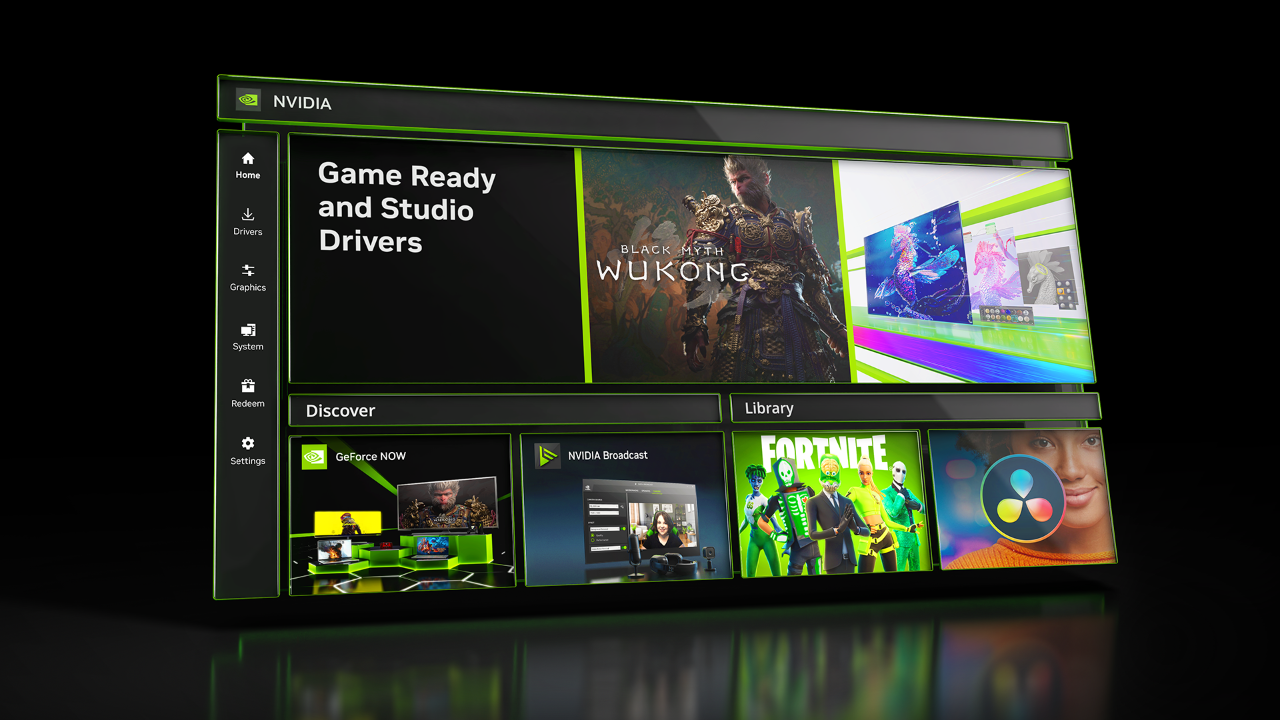
Driver stability has been solid across the board. Both AMD and NVIDIA have delivered largely stable experiences since launch, though early Radeon drivers saw a few flickering issues in DX11 titles-now resolved. NVIDIA's Game Ready program remains the gold standard for day-one support, while AMD's Adrenalin software offers a clean, unified interface that many gamers prefer for quick tweaking.
Street Pricing & Availability
MSRPs only tell half the story. As of June 2026, Newegg lists the RTX 5070 at $609.99 and the RX 9070 XT at $699.99-a reversal of their official MSRPs ($549 vs $599). AIB premiums and regional demand have brought the two closer in actual cost. The RTX 5070 Ti sits around $749 MSRP, while the overlooked RX 9070 (non‑XT) can be had for $479, offering 90% of the XT's performance at a steal. Availability is healthy, but you'll still need to compare specific models: not all coolers and factory overclocks are created equal.
What the PC Gaming Community Is Saying
“PerfCore noted that the RX 9070 has become one of the most recommended cards of this generation, delivering strong 1440p performance at a price that undercuts Nvidia's equivalent.”
— PerfCore, 2026
Across forums and editorial sites, a consistent theme emerges: AMD has won back the value-conscious builder. PC Gamer's mid‑2026 guide calls the RX 9070 the best overall GPU and the RX 9060 XT 16GB the top value pick. Over on r/Amd, the 9000 series is celebrated for its open-source ROCm support and easier Linux compatibility, while r/nvidia hangs its hat on Reflex 2 and the unmatched RT performance of the 5090. NVIDIA still owns the high‑end conversation and remains the default for creators, but the mainstream narrative has shifted noticeably toward Radeon.
Once You've Built: Couch-Ready Gaming with warmUP
COUCH GAMING, SIMPLIFIED
Your new GPU deserves a controller-friendly launcher
After you've assembled your perfect PC, don't let a keyboard and mouse keep you at a desk. warmUP boots you directly into a unified game library primed for the couch - no setup, no launcher hopping. Join the waitlist to get notified when it drops.
Final Verdict: Which GPU Should You Buy Right Now?
If you're after the absolute fastest 4K gaming and have deep pockets, the RTX 5090 is the clear choice. For the vast majority of 1440p gamers, the AMD RX 9070 XT delivers incredible raster performance and that sweet 16 GB buffer-but its higher street price means the lower‑watt RTX 5070 can be more economical if you value ray tracing and DLSS 4. Our strongest recommendation, however, goes to the RX 9060 XT 16GB: at under $450, it's the undisputed value champion and will chew through modern games without breaking a sweat. No matter which GPU you choose, mid‑2026 is a fantastic time to build.
Key Takeaways
- Best value GPU: AMD RX 9060 XT 16GB ($349–$419) – PC Gamer's top value pick.
- Best overall 1440p GPU: AMD RX 9070 (non‑XT) balances price and solid performance.
- Best for ray tracing & DLSS: NVIDIA RTX 5070 Ti or faster – DLSS 4 is still king.
- High‑end 4K: RTX 5090 – unmatched power, sky‑high price.
- Watch street prices: AMD often wins at MSRP, but NVIDIA can be cheaper at real‑world check‑out.
Written by
Mika Lindqvist
Hardware & Performance
Mika benchmarks everything that runs a game — from handhelds to living-room rigs. If a frame drops, he wants to know why.
Comments(0)
No comments yet. Be the first to share your thoughts.