

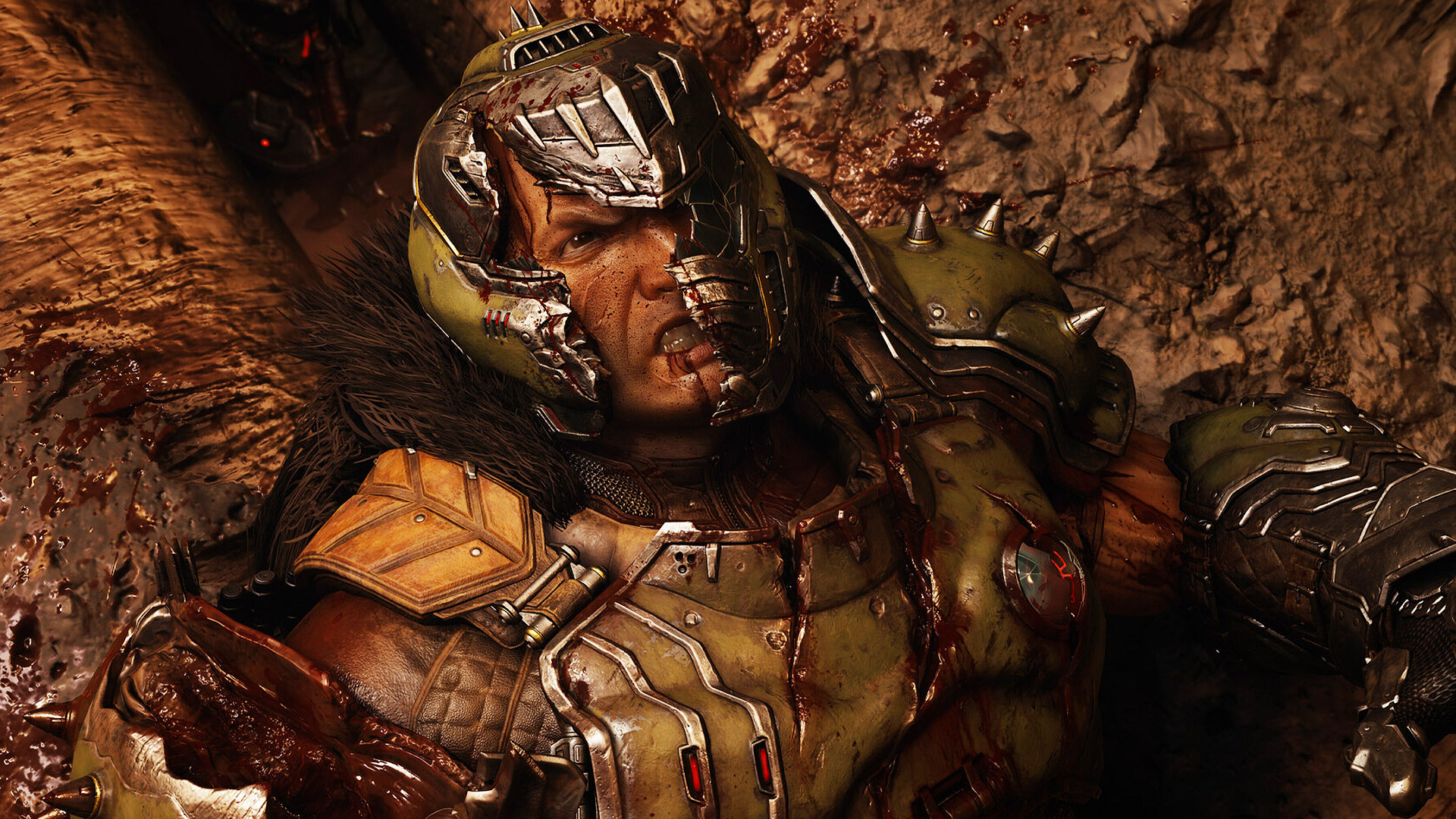
The Doom The Dark Ages crunch layoffs story comes directly from former id Software producer Andrew Willis, who says the praised Revelations DLC was built under the worst crunch in Doom history and then its team was told they were being laid off the day before it launched.
The Revelations Expansion: A Triumph Built in Months
Revelations is the expansion for Doom: The Dark Ages, the latest entry in id Software's long-running shooter series. According to reporting from PC Gamer, the DLC has been praised by players and critics, but its development timeline was brutally compressed.
Willis, speaking on the Kiwi Talkz podcast, said the expansion was developed in approximately three to four months. That stands in stark contrast to the roughly five-year cycle for the base game. The team was asked to deliver an expansion that felt substantial, with new encounters, systems and polish, in a fraction of the time.
For players, that context matters. A short development window for a large DLC often means scope stays tight or quality slips. In this case, according to Willis, the team shipped something well-received, but the cost was sustained overwork rather than a reduced feature set. The pressure came from feature-creep and a compressed schedule, not from a lack of ambition.
Doom The Dark Ages Crunch Layoffs: The Numbers Behind Willis's Account
Willis was specific about what the crunch looked like day to day. He said he worked at least 12 hours every day for two months, with some days stretching to 17 hours. He described it as a pseudo-induced crunch culture where long hours became the expected norm to hit the deadline.

The timeline was not a brief final push. Two months of 12-plus hour days means weekends disappeared and recovery time vanished. Willis said there were days where he did not see his son at all, a personal cost he highlighted as the most painful part of the period. That detail has resonated with players because it makes the abstract term crunch concrete.
He also pointed to feature-creep as a driver. As ideas were added or expanded during the short window, the workload grew without a matching extension to the schedule. In practical terms for a production team, that means more assets to build, more encounters to script and balance, more bugs to fix, and more late nights to fit it all in before certification and launch.
“There were days where I didn't see my son”
— Andrew Willis via Kiwi Talkz, reported by PC Gamer
'The Worst Crunch' Veterans Had Ever Seen
Willis called this the worst crunch in the series' history, and said that assessment was shared by others on the team. According to PC Gamer's summary of his interview, veteran developers who had come from both Hollywood and games told him this was the worst crunch they had ever experienced in their careers.
That is a striking claim given id Software's history. Doom (2016) and Doom Eternal were both known for intense development cycles, and the studio has long been associated with high technical ambition. For veterans with credits across film production and AAA games to single out Revelations suggests the intensity was unusual even by industry standards.
For players, the takeaway is not just about hours worked. When experienced developers flag a project as an outlier, it often signals systemic issues: unclear scope, shifting goals, or a schedule that was set before the full scope was understood. Willis's account frames Revelations as a case where the team delivered despite those conditions, not because the conditions were sustainable.
The Day Before Launch: Layoffs Hit the Revelations Team
The emotional whiplash came right at the finish line. According to PC Gamer, Microsoft laid off 136 employees at id Software, and the Revelations team was informed the day before the DLC launched.

Willis described learning that the work he had sacrificed time with his family to complete would be followed immediately by job losses for the people who made it. The timing meant the team had to watch a launch they had crunched to achieve while processing that many of them would not continue at the studio.
PC Gamer reported Willis's account as a first-hand producer perspective, not an official Microsoft statement on the specific timing. As with many large layoffs, the full list of affected roles and projects has not been detailed publicly. What is clear from Willis's interview is that the layoffs directly impacted the group that had just finished Revelations, compounding the exhaustion of crunch with immediate uncertainty.
“The team faced the worst crunch in the series' history on Doom: The Dark Ages – Revelations”
— PC Gamer reporting on Andrew Willis interview
Context: Xbox Layoffs 2026 and The Dark Ages Sales
The id Software cuts were reported as part of broader Xbox layoffs in 2026. Microsoft has made multiple rounds of workforce reductions across its gaming division since the Activision Blizzard acquisition, affecting studios of different sizes. The report of 136 roles cut at id Software places the studio within that larger pattern, rather than as an isolated event.
PC Gamer also noted context around sales. According to the report, The Dark Ages sold fewer copies than Doom Eternal, partly attributed to its day-one release on Game Pass. That does not directly explain the layoffs, and Microsoft has not publicly tied the cuts to sales of a single title, but it is part of the business backdrop players are asking about.
Day-one Game Pass releases complicate traditional sales comparisons. A game can reach millions of players through subscription while showing lower direct sales than a predecessor that sold primarily at retail. For a studio like id, whose games have historically sold strongly, that shift changes how success is measured internally, even if the player base remains large.
What This Means for id Software's Future
For now, the practical impact for players is uncertainty. Crunch on the scale Willis described often leads to burnout and departures even before layoffs, and layoffs accelerate talent drain. When producers, designers, and engineers who shipped Revelations leave, institutional knowledge about the engine, tools, and design of The Dark Ages leaves with them.
That can affect patch cadence, future expansions, and the next full project. Teams that lose staff shortly after shipping often need months to reorganize, hire, and onboard before they can operate at full capacity again. Morale is also a factor. Developers who remain may face heavier workloads or hesitation to commit to similarly compressed schedules.
Willis's account does not include an official response from id Software or Microsoft about working conditions or future plans for the franchise, and no new Doom project has been announced in the reporting. Until the studio or Xbox provides more detail, players should treat the layoff scope and any implications for upcoming content as reported rather than confirmed.
Key Takeaways on Doom The Dark Ages Crunch Layoffs
- Former producer Andrew Willis says Revelations was made in ~3-4 months vs. ~5 years for the base game, under what he calls the worst crunch in Doom history.
- Willis reports working 12 hours daily for two months, with some 17-hour days, and says veteran film and game developers called it the worst crunch they had seen.
- According to PC Gamer, Microsoft laid off 136 id Software employees, with the Revelations team informed the day before the DLC launched.
- Willis highlighted personal cost, including days where he did not see his son, and described feature-creep during the compressed schedule.
- The Dark Ages reportedly sold fewer copies than Doom Eternal, partly attributed to its day-one Game Pass launch, amid broader Xbox cuts in 2026.
Written by
Devon Yates
Launcher & Platforms
Devon follows the platform wars: stores, subscriptions and the battle for your launch screen. He writes the weekly news roundup.
Comments(0)
No comments yet. Be the first to share your thoughts.