

If you've been watching the Steam charts in 2026, you've noticed a curious trend: the games that dominate aren't the blockbusters with nine-figure budgets. They're scrappy, weird, and often from teams small enough to fit in a coffee shop. This isn't a fluke-it's a fundamental shift in what PC gamers value. Innovative indies like Palworld are pulling in over half a million concurrent players daily, while heavily marketed remakes like Halo: Campaign Evolved peak at a fraction of that. The reason? PC gamers are rewarding fresh ideas over recycled formulas, and the industry's risk-averse AAA machine is paying the price. This article digs into the data, the industry mindset behind it, and how you can put this new reality to work for your own game library.
The new Steam pecking order
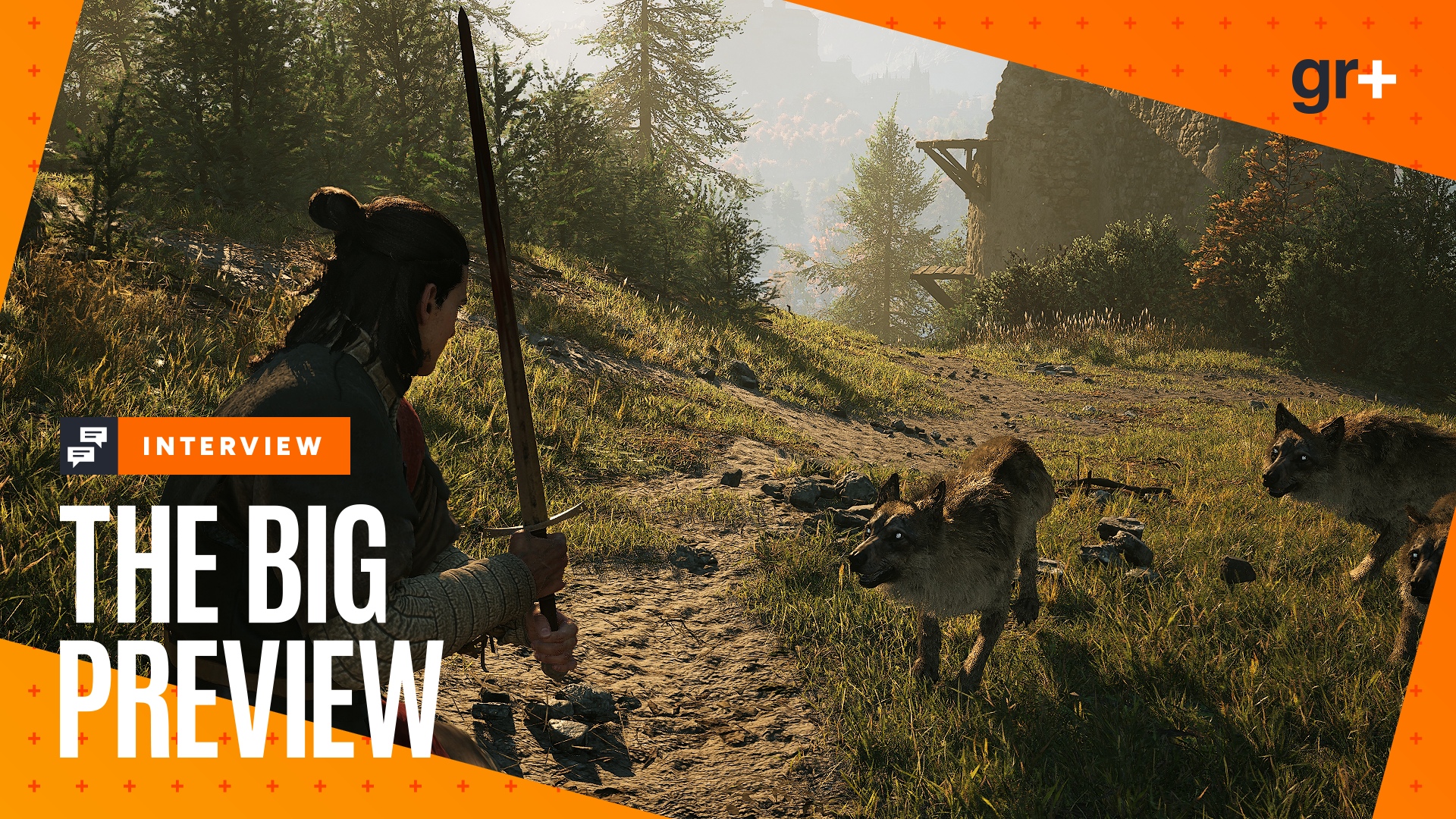
Three weeks after its 1.0 launch, Palworld is still reaching concurrent player highs of more than half a million every day on Steam. Only the nigh-immovable trio of CS2, PUBG, and Dota 2 sit higher. Pocketpair Community Manager John 'Bucky' Buckley called the stats 'bonkers,' and his disbelief is understandable-survival games usually fade faster.
“There's people out there absolutely dying to post, 'Palworld lost X% of their players! Dead game!' and at this rate they'll have to wait at least another week or two.”
— John 'Bucky' Buckley, Pocketpair Community Manager, via PCGamesN
But Palworld isn't alone. 2026 has seen a parade of indie breakthroughs. Meccha Chameleon, a hide-and-seek sensation made in just a few weeks by two developers, found a massive audience. Other hits include the pirate survival adventure Windrose (published by Pocketpair), the roguelike sequel Slay the Spire 2, chapter five of Deltarune, and the cat-tactics romp Mewgenics. These games share a common thread: they're unmistakably driven by singular creative visions, not focus-grouped into safety.
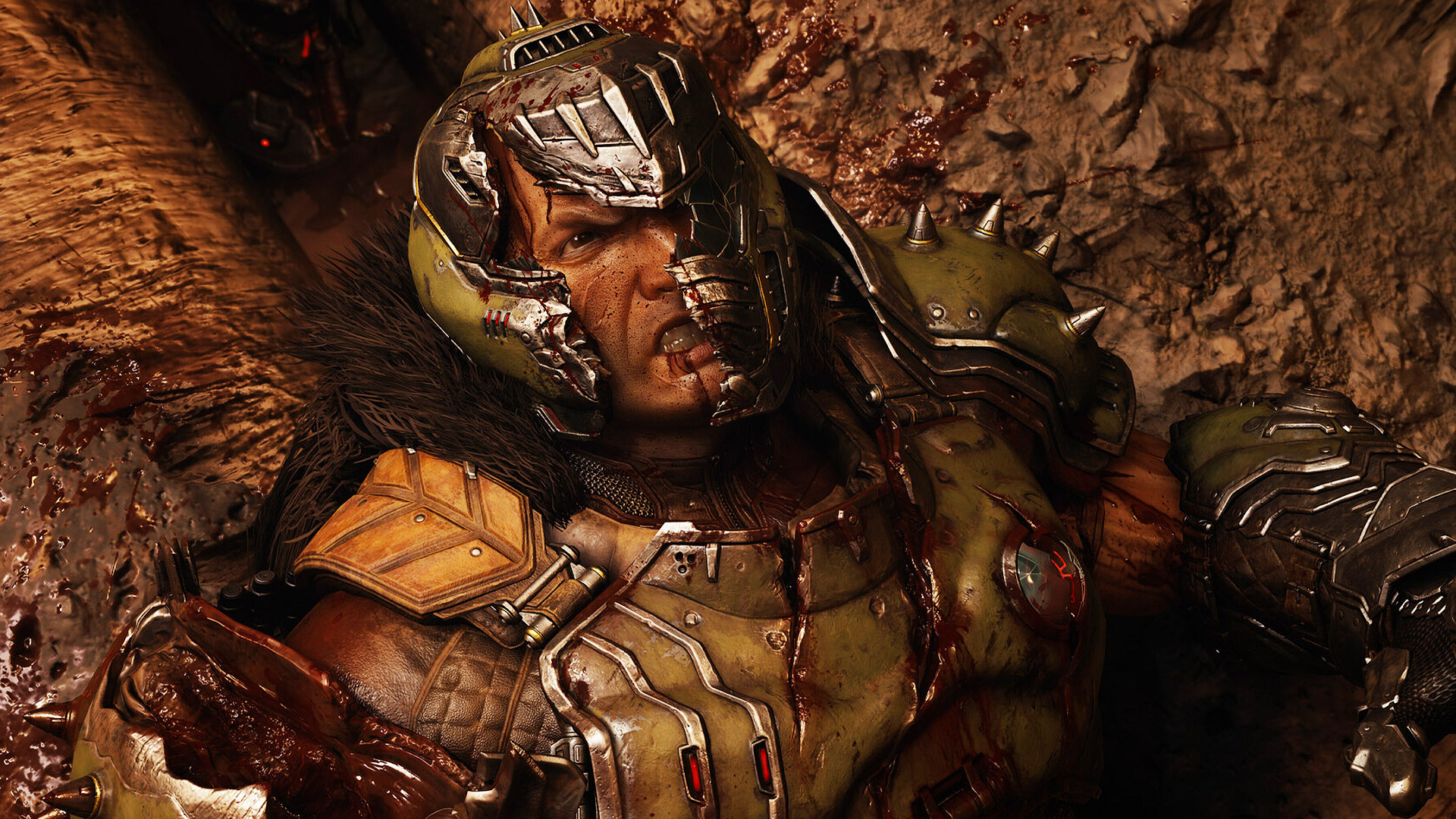
By contrast, recent AAA offerings are landing with a thud. Halo: Campaign Evolved, a remaster of the beloved original, peaked at just over 25,000 concurrent players on Steam. You could attribute that in part to Game Pass, but The Master Chief Collection pulled over 161,000 in 2019. The appetite is there-it just wants something fresher than a cautious reskin.
“When a remake is as faithful and as careful as Campaign Evolved, it's hard to dislike, but… I'm not sure you should bother playing or buying it.”
— Tim, PCGamesN
Assassin's Creed Black Flag Resynced fared slightly better, hitting 104,000, but that's still well below what Ubisoft likely hoped for the long-teased return of a fan favorite. Nostalgia alone doesn't guarantee a hit when the core experience remains unchanged. Summer Game Fest's million-seller list for 2026 underscored the divide. While Resident Evil Requiem and Forza Horizon 6 prove AAA can still work, most of the names were weirder, smaller projects: Vampire Crawlers, Super Battle Golf, Gamble With Your Friends. Crimson Desert also made the list-a reminder that AAA can win when it takes a big swing and commits to heavy post-launch support-but it's the exception. PC gamers are voting with their wallets, and the ballots are going to innovation.
Why AAA keeps missing the mark
Rami Ismail, co-creator of Nuclear Throne and a veteran indie advocate, recently put it bluntly at DevGAMM. His diagnosis cuts to the heart of why so many big-budget games are struggling.
“The games industry's fear of risk is currently the largest risk it faces.”
— Rami Ismail, via PC Gamer
Ismail argued that publisher caution has become a self-fulfilling prophecy. In trying to avoid failure, big studios lock themselves into safe sequels, sprawling live-service models, and remakes that feel more like product than passion. The layoff wave hitting Xbox, Ubisoft, and other major publishers in 2026 is a direct result of placing enormous bets on expected blockbusters, only to see them underdeliver. When a single title's failure can tank a quarter, the instinct is to double down on the familiar. But as Ismail points out, that strategy breeds a cycle of diminished returns.
Players have grown tired of monetization schemes, bloated open worlds, and risk-averse storytelling. When a game like Palworld arrives and dares to mash up survival with creature collection in a way Pokémon never did, it doesn't just succeed-it shames the giants. Game Pass may siphon some Steam sales, but it doesn't explain the enthusiasm gap. The real issue is creative. AAA development is often steered by committees and focus groups, sanding off any edge that might offend. Meanwhile, a two-person team can ship a Meccha Chameleon, embrace absurdity, and watch players flock to it. Ismail's warning is clear: playing it safe is now the most dangerous game of all.
Indie creativity on display: from Palworld to Half-Life on PS1
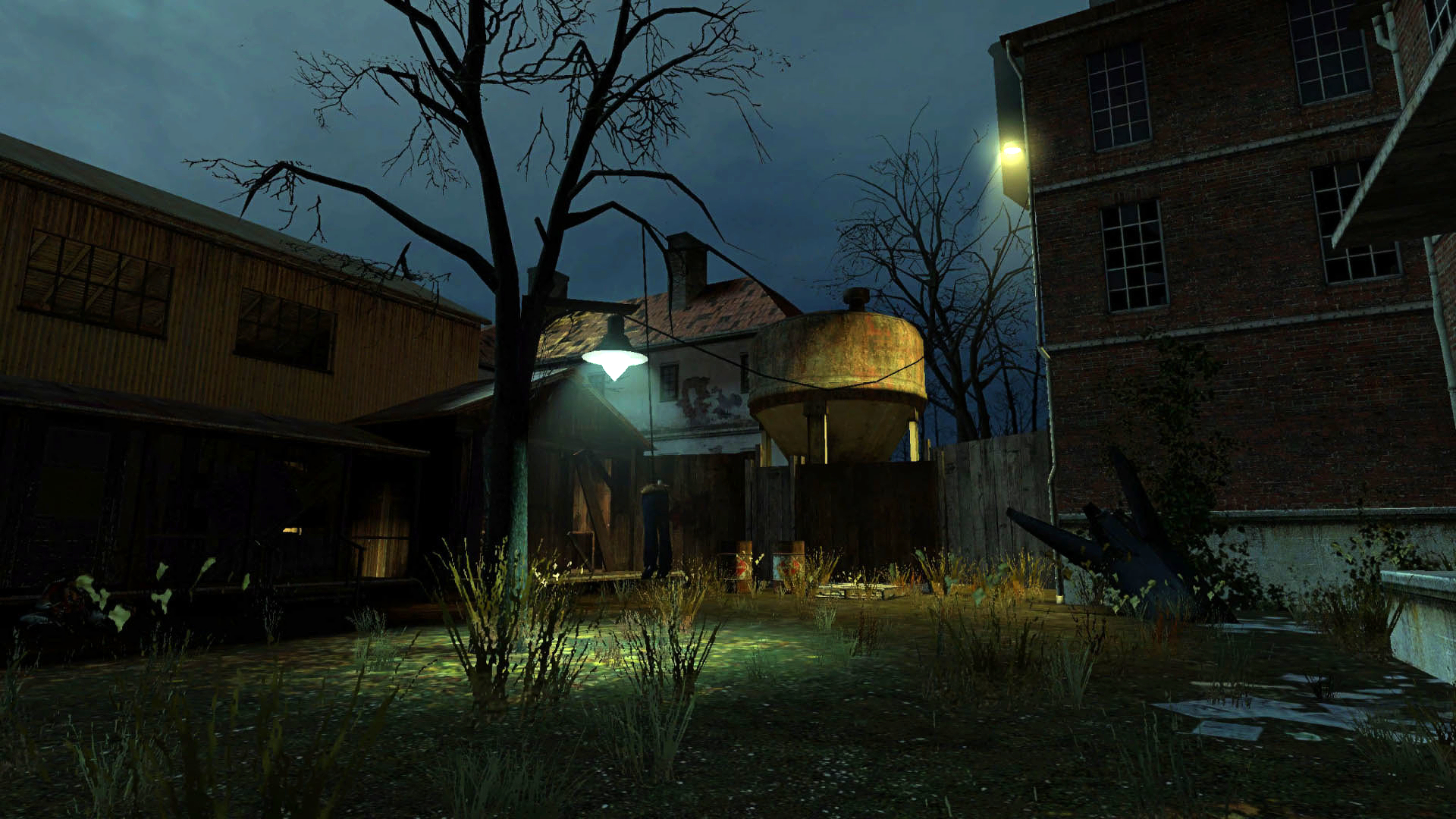
The indie advantage isn't just about lower budgets-it's about freedom. Palworld works because it throws Pokémon, guns, and base-building into a blender with zero concern for brand guidelines. That anarchic spirit extends across the indie scene. Take the recent Half-Life PS1 port, a fan project by a developer who painstakingly rebuilt Valve's classic on Sony's 32-bit hardware. The dev posted their work, asked Valve for permission, and offered to make it public if the company didn't respond within a month. It's a pure passion project, and emblematic of a culture where creators follow curiosity rather than corporate roadmaps.
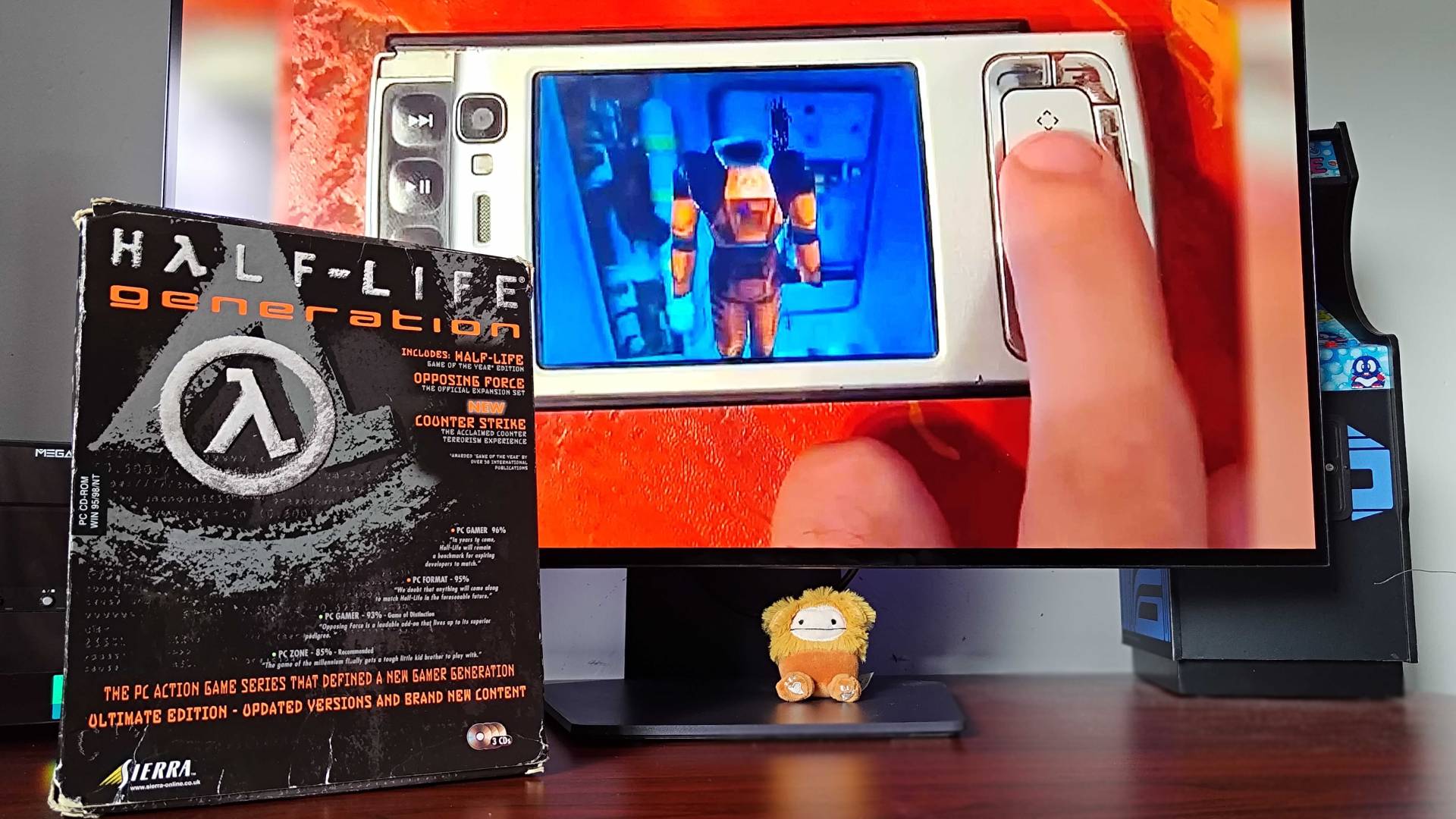
Such projects, while niche, generate buzz that no marketing budget can buy. They remind players why they fell in love with PC gaming in the first place: the platform that welcomes modders, tinkerers, and dreamers. Steam's openness amplifies these experiments. The platform doesn't gatekeep based on marketing budgets; it relies on user reviews and algorithmic discovery. That means a game like Windrose-a pirate survival title with no pre-existing IP-can find an audience purely on merit. For players, this translates to a steady flow of delightful surprises, often priced at a fraction of a $70 AAA title. The joy of stumbling onto a Vampire Crawlers or a Super Battle Golf is that they feel made for you, not for a quarterly earnings call.
What this means for your game library
The shift toward indie isn't a call to abandon AAA entirely. But the takeaway for PC gamers is clear: your most memorable experiences of 2026 are likely to come from smaller teams. That means adjusting how you discover and play. Spend ten minutes in Steam's discovery queue each week. Wishlist liberally-it signals interest to developers and helps the algorithm serve you better recommendations. Follow indie-focused curators, YouTube channels, and subreddits. Don't sleep on early access hits; they often evolve into the polished 1.0s dominating charts now.
And if your library spans multiple storefronts-Steam, Epic, GOG, itch.io-consider a unified launcher that pulls everything together. This is where warmUP can help, especially if you're often playing from the couch.
Tired of switching launchers?
Play everything from the couch with warmUP
Unify your Steam, Epic, GOG, and emulator libraries into a single controller-friendly interface. Zero setup, just pick up and play.
Key takeaways
- Indie games are thriving on Steam in 2026, with Palworld leading a surge of creative hits that outperform AAA remakes.
- AAA studios' risk-aversion has led to stale sequels and underwhelming launches, as Rami Ismail warned the industry's fear of risk is its biggest risk.
- Innovation and passion projects, from quick-turnaround indies to fan-made ports, resonate deeply with PC players.
- To make the most of this landscape, diversify your library, use Steam's discovery tools, and consider a unified launcher like warmUP to play from the couch without friction.
- The divide isn't absolute-AAA can still win with bold vision and ongoing support, but the momentum is clearly with indies.
Written by
Devon Yates
Launcher & Platforms
Devon follows the platform wars: stores, subscriptions and the battle for your launch screen. He writes the weekly news roundup.
Comments(0)
No comments yet. Be the first to share your thoughts.