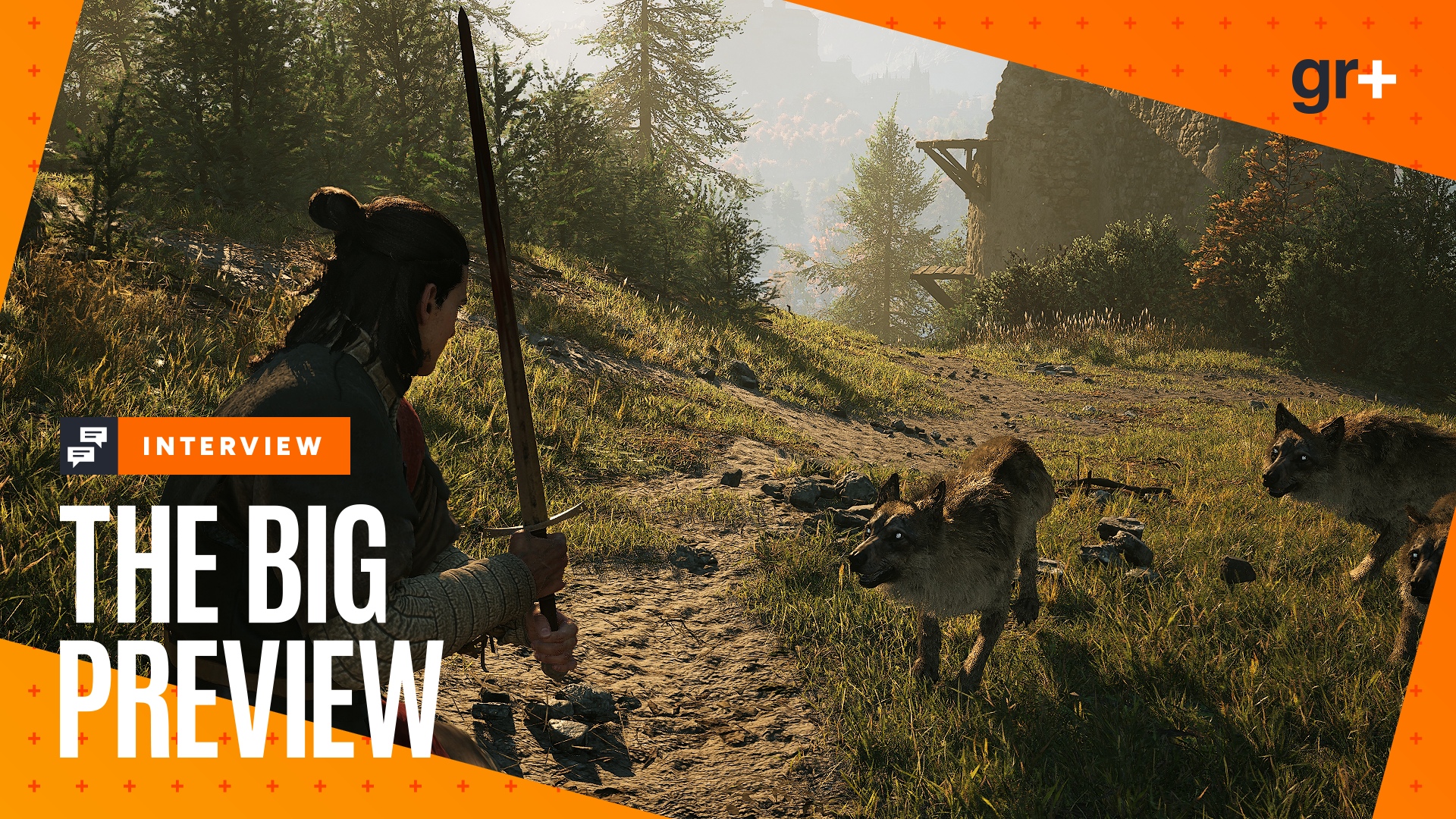


Epic Games CEO Tim Sweeney is no stranger to stirring the pot in the PC gaming world. In a recent interview with GamesRadar+, he dropped a characteristically candid take: Valve has "a nice thing going on on PC," but they're "missing out on a lot of opportunity" by not carrying two of the biggest free-to-play juggernauts-Fortnite and Genshin Impact. It's a rare moment of praise from a direct competitor, wrapped in a clear strategic jab.
“Valve has a nice thing going on on PC, but they're missing out on a lot of opportunity without the likes of Fortnite and Genshin Impact.”
— Tim Sweeney, Epic Games CEO
Sweeney's Surprising Praise for Steam
For years, Sweeney has been one of Steam's most vocal critics, lambasting Valve's 30% revenue cut and calling for a more open PC ecosystem. So hearing him acknowledge that Valve has "a nice thing going on" is noteworthy. It's a backhanded compliment, sure-like telling a rival athlete they'd be great if they just fixed that one glaring weakness. The timing is telling, coming as Epic continues to push its own store, free game giveaways, and exclusive deals.
Sweeney's point hinges on the sheer scale of Fortnite and Genshin Impact. Both are titans of the free-to-play model, generating billions in revenue and commanding hundreds of millions of players worldwide. Neither is available on Steam. Fortnite, naturally, is an Epic Games Store exclusive-the flagship that keeps tens of millions of accounts tied to Epic's ecosystem. Genshin Impact, developed by miHoYo, uses its own launcher and is also on the Epic Games Store, but Valve's storefront remains a glaring gap.
The Missing Giants: Fortnite and Genshin Impact
Why aren't these games on Steam? For Fortnite, the answer is obvious: Epic has no incentive to share its cash cow with Valve, especially when it's fighting a platform war. The 30% cut would eat into profits that Epic can instead reinvest into free games, exclusives, and better developer terms. Genshin Impact's absence is murkier. miHoYo likely avoids Steam to maintain control over its payment infrastructure and cross-progression, though it's also available on consoles. The Epic Games Store deal likely came with favorable terms-something Valve hasn't historically offered to the same degree.
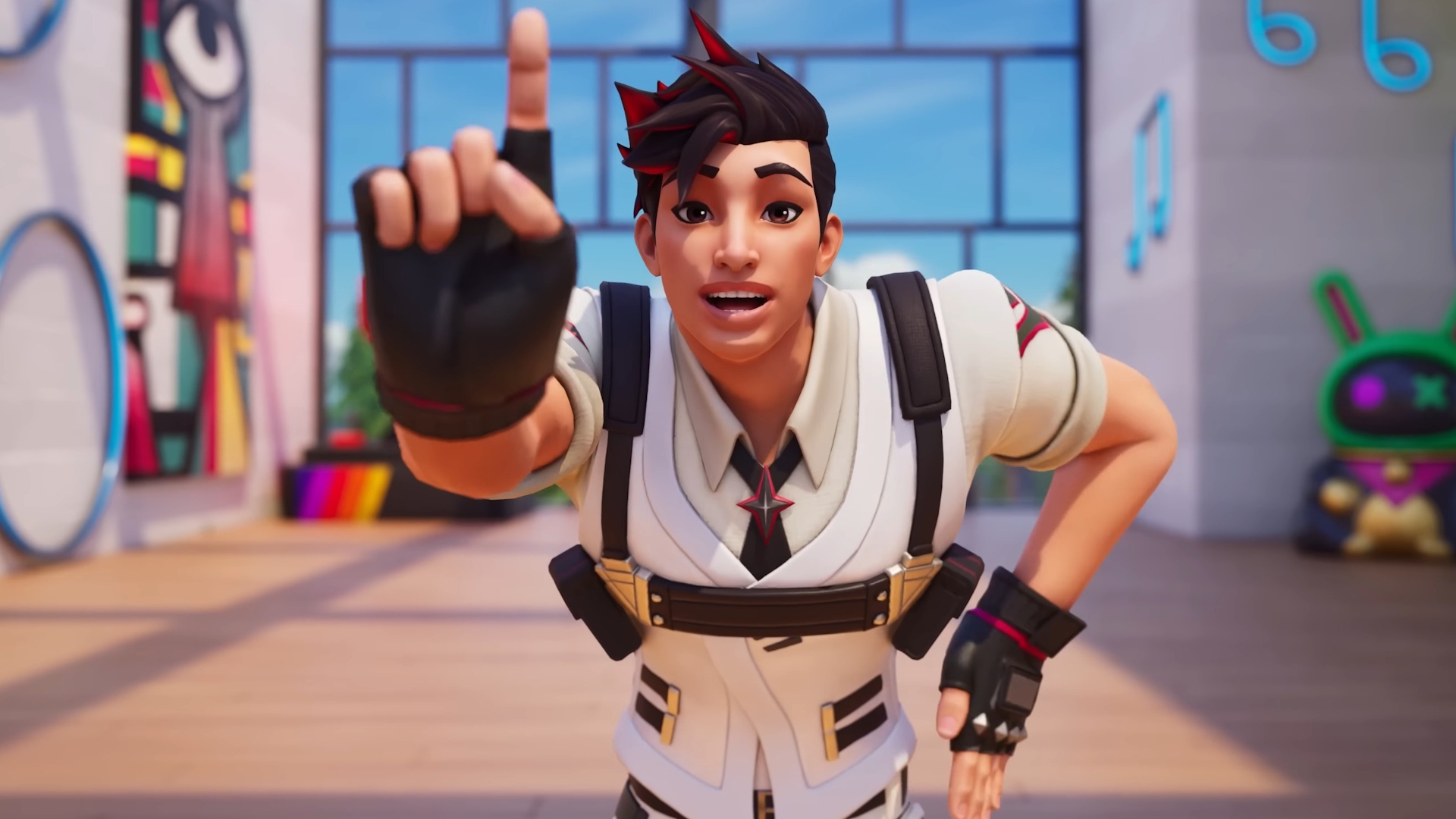
According to multiple reports, both games are among the highest-grossing PC titles, with Fortnite alone generating over $5.8 billion in its first full year. Genshin Impact quickly crossed $4 billion in mobile revenue, with a significant PC chunk. From Sweeney's perspective, Valve's unwillingness to bend on its revenue split or offer incentives to attract these titles leaves a massive player base-and revenue stream-outside Steam's walls.
The Launcher Wars: A Fractured PC Experience
The standoff between Steam and Epic is just one front in the broader launcher fragmentation that PC gamers deal with daily. Today, a typical high-end gaming PC might have Steam, Epic, GOG, Origin, Ubisoft Connect, and a handful of proprietary clients for individual games. Each demands its own account, overlays, friend lists, and update schedules. What was once a simple double-click from the desktop has become a digital scavenger hunt.

Steam remains the 800-pound gorilla, with over 75,000 games and a social infrastructure that rivals console networks. But as PC Gamer has noted, Epic's aggressive strategy-lower cuts, exclusive blockbusters, freebies-has carved out a permanent second seat at the table. The result is a PC gaming landscape that feels more like a patchwork of walled gardens than an open platform.
For developers, this isn't all bad: competition means more negotiating power. For players, the trade-off is convenience. Want to play Fortnite with friends? You're locked into Epic. Prefer Steam's Big Picture mode for couch gaming? Good luck launching Genshin Impact or Fortnite seamlessly. The dream of a unified library remains elusive.
What This Means for PC Gamers
The practical impact is something anyone with a sizable game library knows too well. You might boot up your PC, only to realize the game you want to play requires opening a different launcher, updating it, and signing in again-sometimes after months of inactivity. Couch and controller players face an even steeper hill, as most launchers aren't built for a TV-friendly experience. Steam Big Picture is excellent, but it only wrangles Steam games.
This fragmentation also splits communities. Your Fortnite squad might be on Discord, while your Steam friends list shows who's in Counter-Strike 2. Cross-play helps bridge the gap, but the underlying sense of a fractured identity persists. Tools that attempt to unify these libraries-like Playnite, GOG Galaxy, or upcoming couch-focused options-are becoming more popular as players seek a single pane of glass for all their games.
Gaming from the couch?
One launcher for all your games
warmUP unifies your Steam, Epic, GOG, and emulator libraries into a single, controller-first interface-perfect for gaming on the big screen. Zero setup, immediate access. Join the waitlist today.
The Future of Storefront Competition
So will Valve ever swallow its pride and cut a deal to get Fortnite or Genshin Impact on Steam? It's unlikely. Valve's model relies on a consistent 30% cut (with small reductions for high earners), and bending for individual titles would set a precedent. Steam's strength is its ecosystem-workshop, community features, Steam Deck integration-not necessarily individual exclusives.
Epic, meanwhile, shows no sign of retreat. The company continues to invest in exclusivity windows for high-profile titles (like the Alan Wake II and Kingdom Hearts series) and hands out free games like candy. Sweeney's comments underline a core belief: that missing top-tier free-to-play games isn't just a loss of content, but a strategic blind spot that could erode Steam's centrality over time.
Looking ahead, the industry may not converge on a single store, but on better aggregation. Initiatives like Steam's ability to add non-Steam games are bandaids; full-featured launcher aggregators that provide a console-like experience-especially on the couch-could become the real answer. Whether that comes from a tool like warmUP, Playnite, or something else, the demand for unification is clear. In the meantime, the launcher wars will continue to define the PC gaming experience, with players caught in the middle.
Key Takeaways
- Tim Sweeney believes Valve is missing a huge opportunity by not having Fortnite and Genshin Impact on Steam, calling it a strategic blind spot.
- Fortnite's exclusivity is a deliberate choice to avoid Valve's 30% cut, while Genshin Impact likely stays off Steam for control over payments and cross-progression.
- The launcher wars create a fragmented experience for players, who must juggle multiple stores, friends lists, and update processes.
- Unified launcher solutions like warmUP, Playnite, and GOG Galaxy are gaining traction as players seek a single, couch-friendly interface for all their games.
Written by
Devon Yates
Launcher & Platforms
Devon follows the platform wars: stores, subscriptions and the battle for your launch screen. He writes the weekly news roundup.
Comments(0)
No comments yet. Be the first to share your thoughts.